

SURVEY SITES
Enarau Conservancy
Forestfoods Limuru
Forestfoods Shimba Hills
Machakos Jacobs Farm
Mpala KLEE (Kenya Long Term Exclosure Experiment)
Nyandarua Pauls Farm
Kilifi Plantations Limited
PARTNERS
What we do
In line with the ERP mission to develop new, low cost technologies for seeing into the soil and empowering farmers to sustain both soil health and crop production.
We assess soils across the Kenyan ecosystems and Eastern Africa, tapping into the rich ecosystem diversity of the region, we collect data covering various soil types, land use systems and agroclimatic zones.
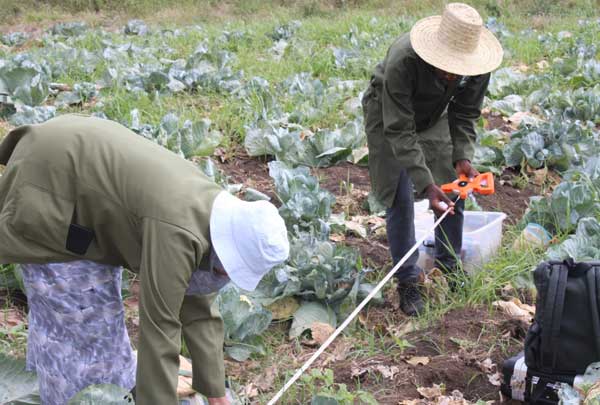
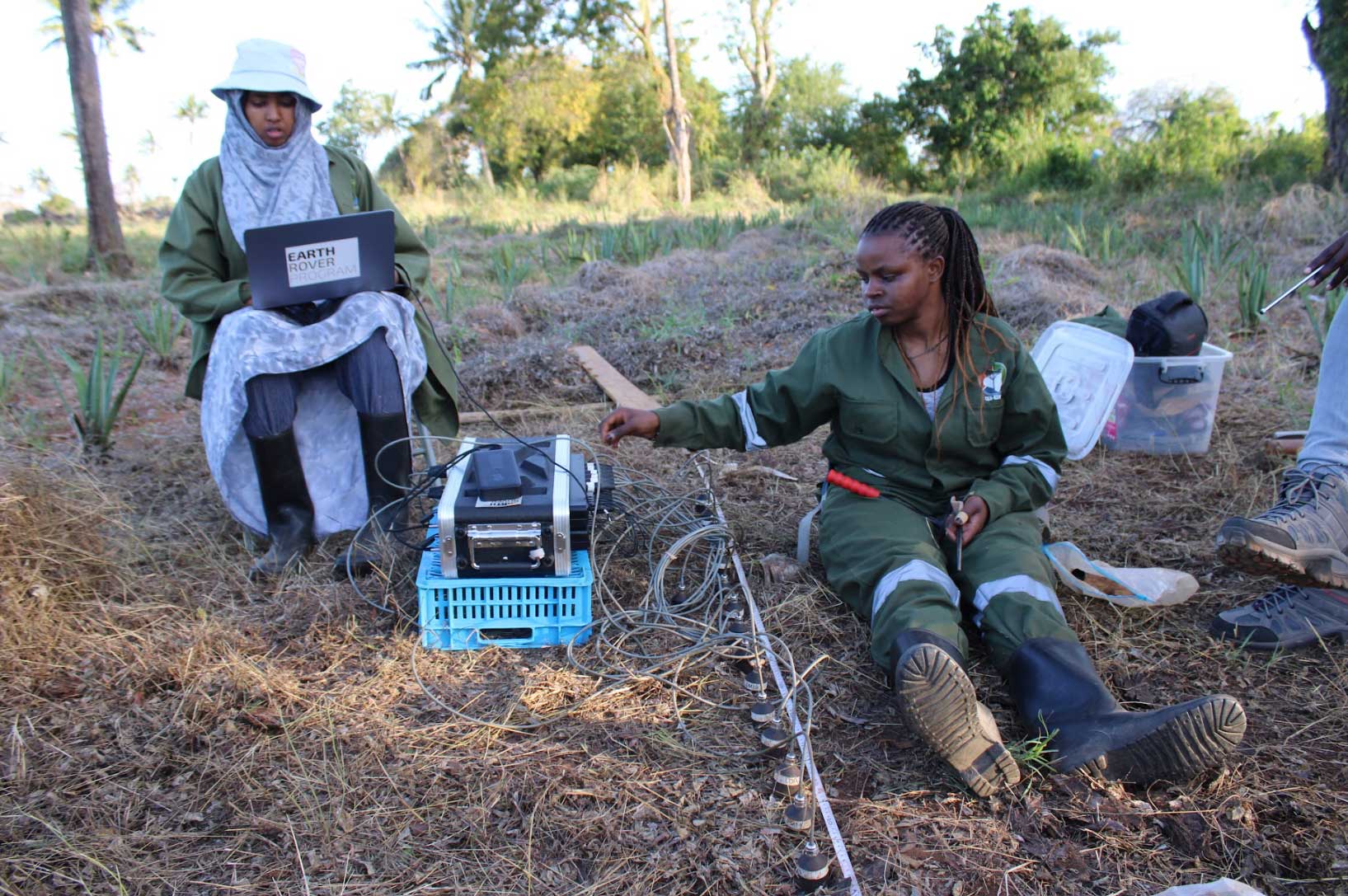
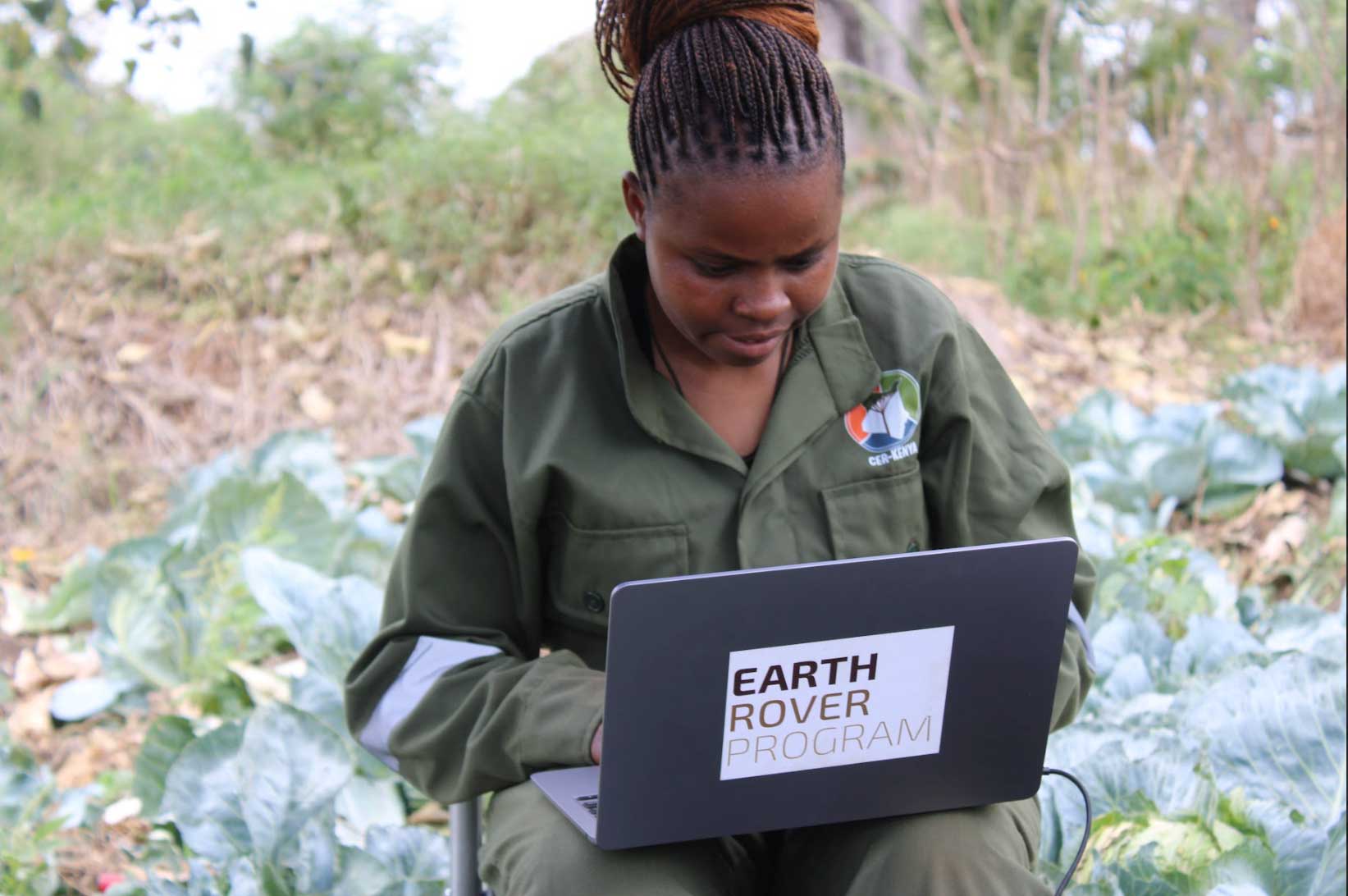
Guided by a quest for sustainable agriculture and food production, we are keen to revolutionize soil health monitoring by replacing the traditional invasive soil sampling methods with novel, non-invasive cheap seismic methods. Farming does not have to be cost intensive and harmful to the environment. We believe that agriculture is a big part of the Kenyan economy and with collaborative actions with farmers and other stakeholders we will create positive impacts.
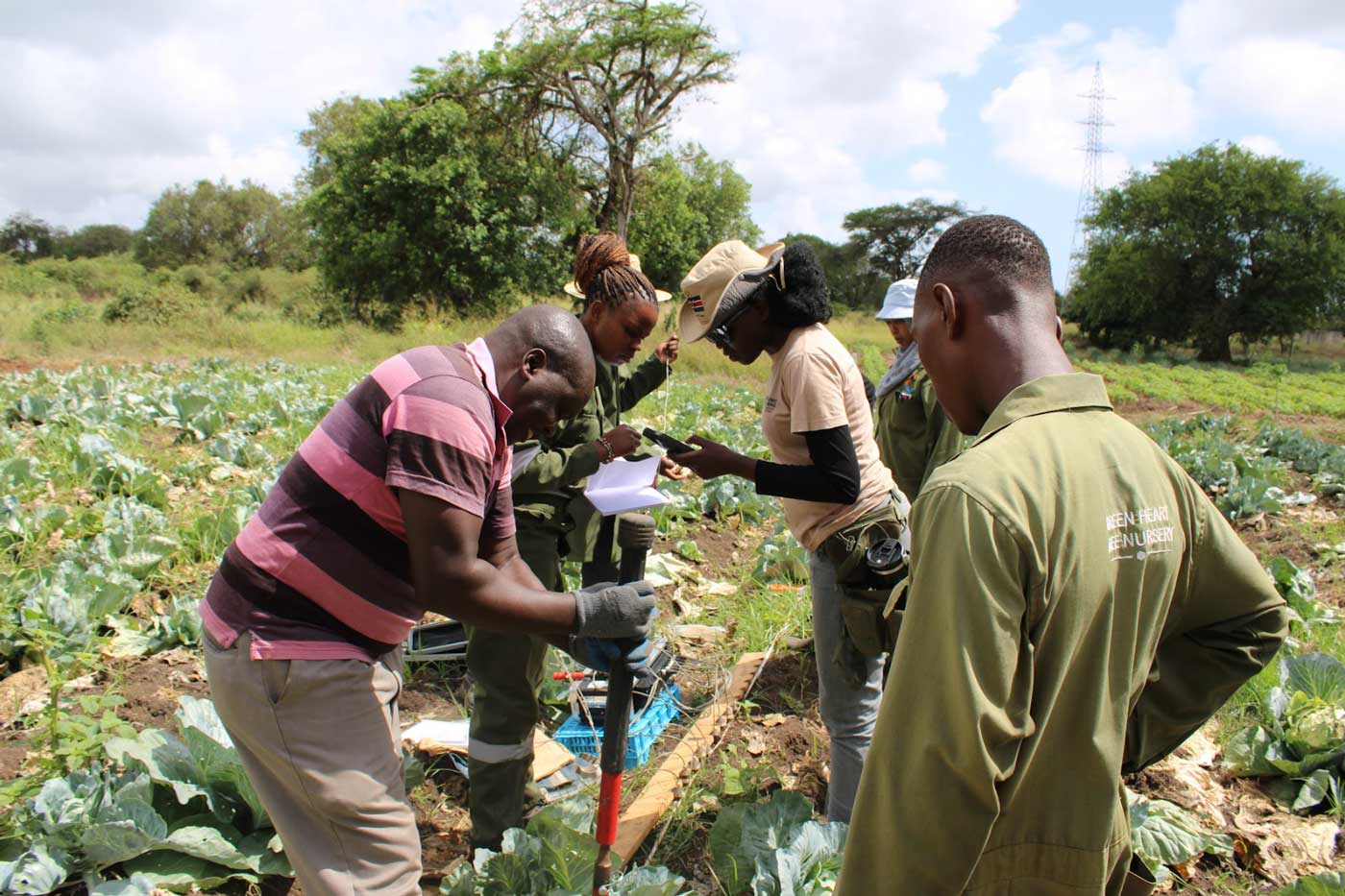
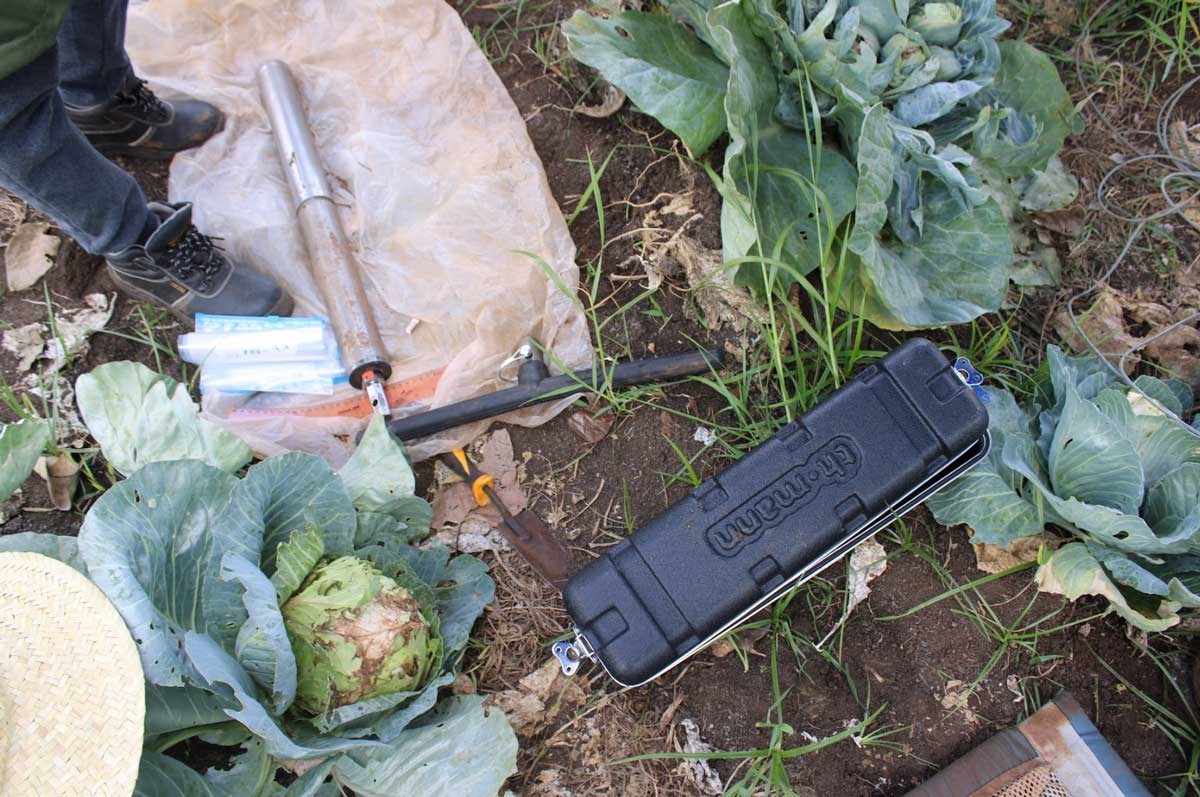
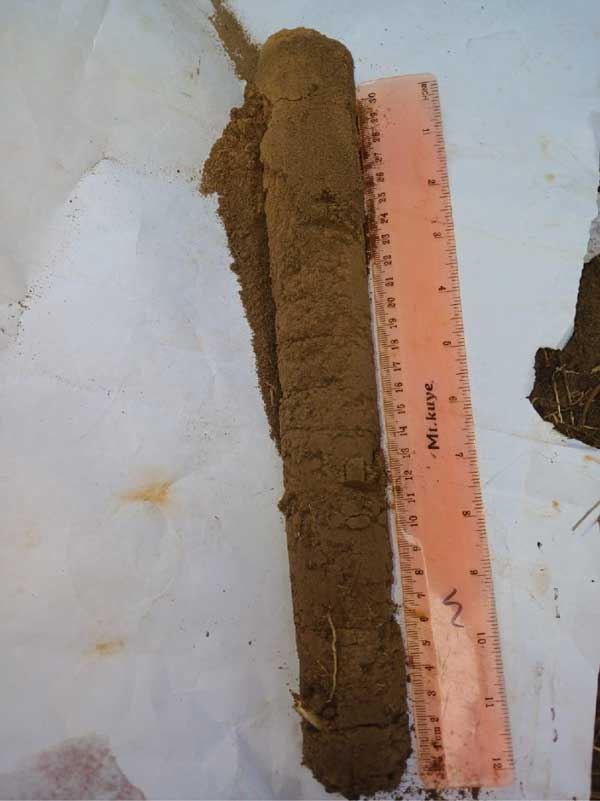
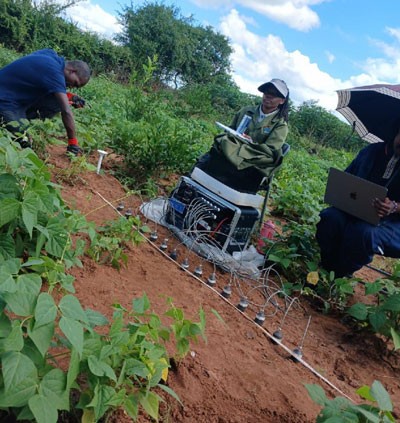
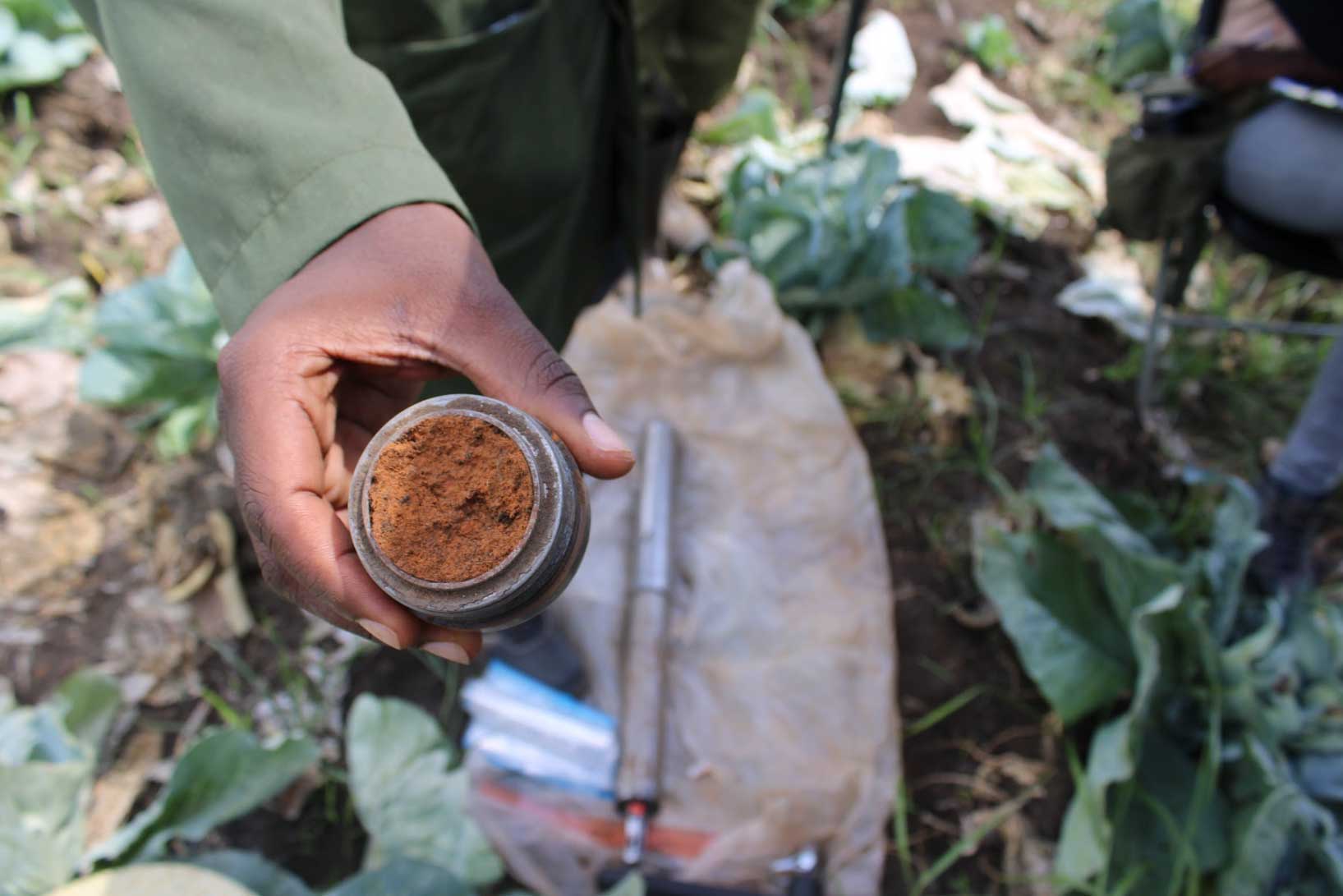
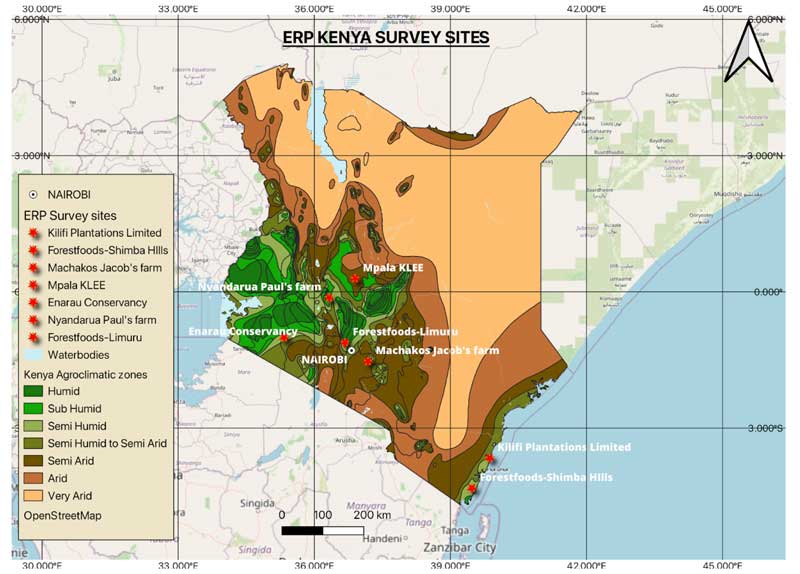
We have carried out field surveys across 7 sites in Kenya employing shallow soil seismics, typically using a seismic box and geophone sensors with ground truthing from soil coring, we have covered major agroclimatic zones and we are on a journey to cover even more.
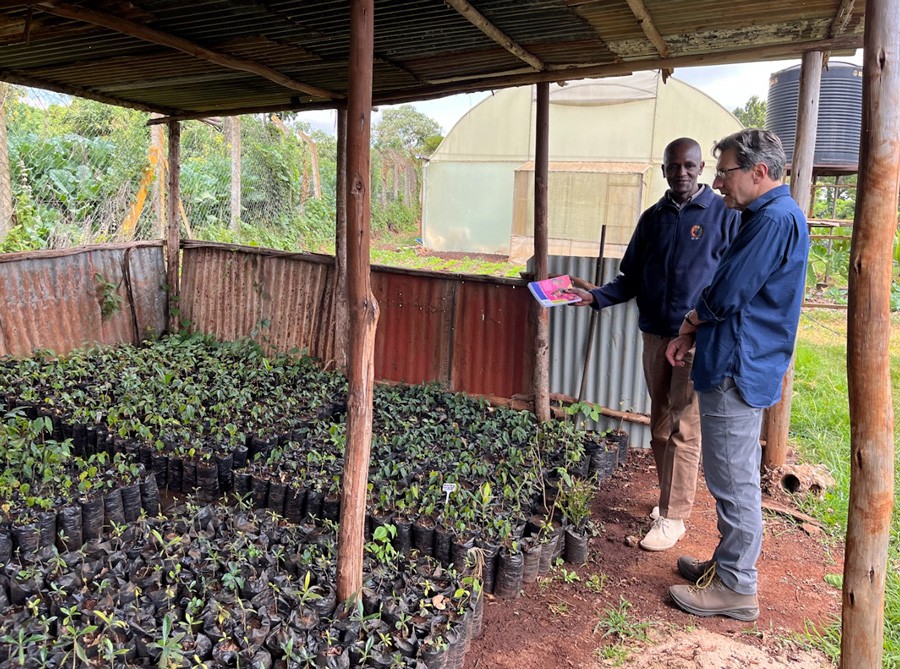
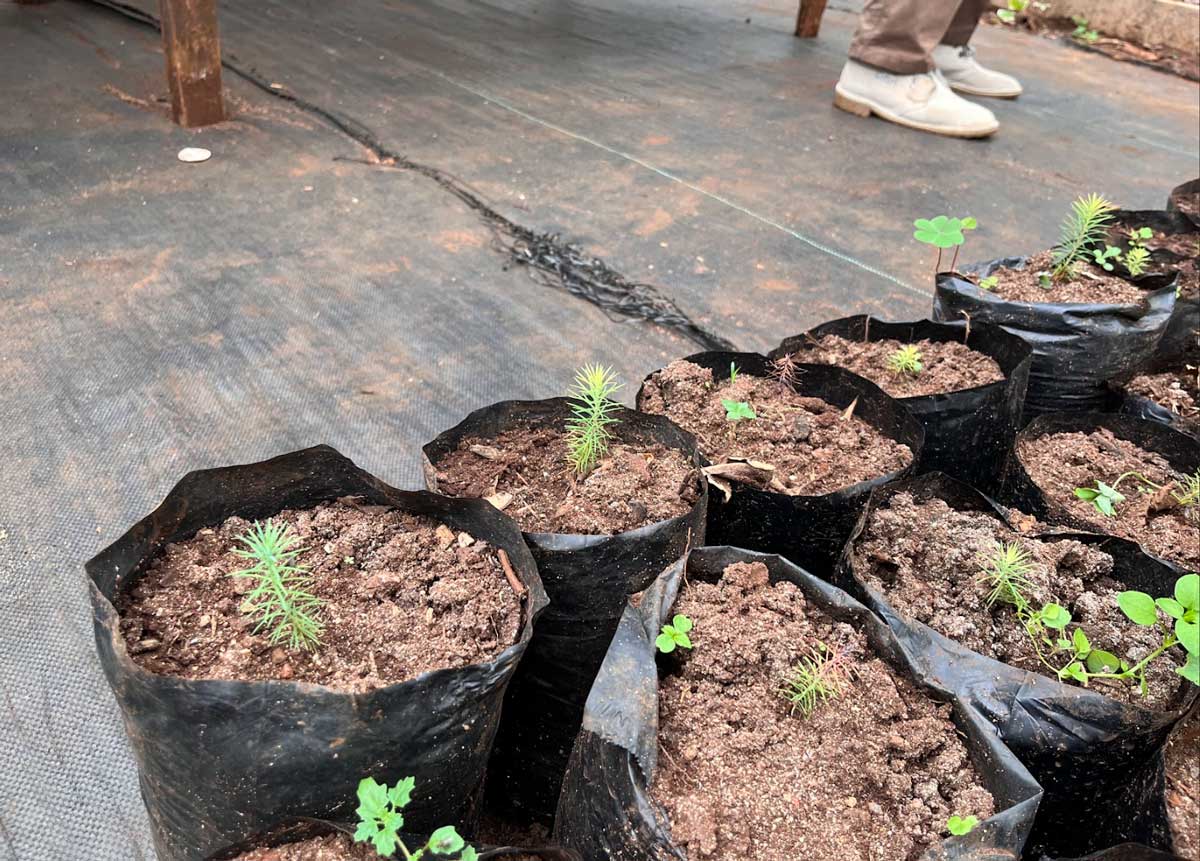
Enarau Conservancy
Nestled in the Masai Mara reserve, this semi-humid site features savanna grassland and a mix of pastoralism and limited crop farming, with areas dedicated to restoration, abandoned and active farmland, and bioacoustics monitoring.
Forestfoods Limuru
Located in the Kenyan uplands, this humid agroforestry site practices syntropic agriculture with reduced tillage, growing fruit trees, agroforestry trees, and diverse vegetables.
Forestfoods Shimba Hills
A semi-humid site with mostly natural vegetation and indigenous trees, plus some mango orchards; three plots (upper, middle, lower) were sampled for agroforestry research.
Machakos Jacobs Farm
Situated in a semi-arid region, this robust mixed farm supports tropical fruits, food crops, and dairy cows, utilizing both oxen and tractor ploughing.
Mpala KLEE (Kenya Long Term Exclosure Experiment)
A semi-arid savannah grassland experiment site with various fencing treatments to study
mammal impacts on land, surrounded by pastoralist communities.
Nyandarua Pauls Farm
In Central Kenya’s sub-humid region, this mixed farm grows potatoes, cabbages, maize, beans, peas, and supports both old and new pasture lands.
Kilifi Plantations Limited
Located on the Kenyan coast, this semi-humid to semi-arid site features a mixed farm with sisal plantations, dairy farming, and some horticulture. It also neighbors a restoration corridor where conservation and restoration has been done through native tree planting, soil regeneration, and invasive species removal.