


SURVEY SITES
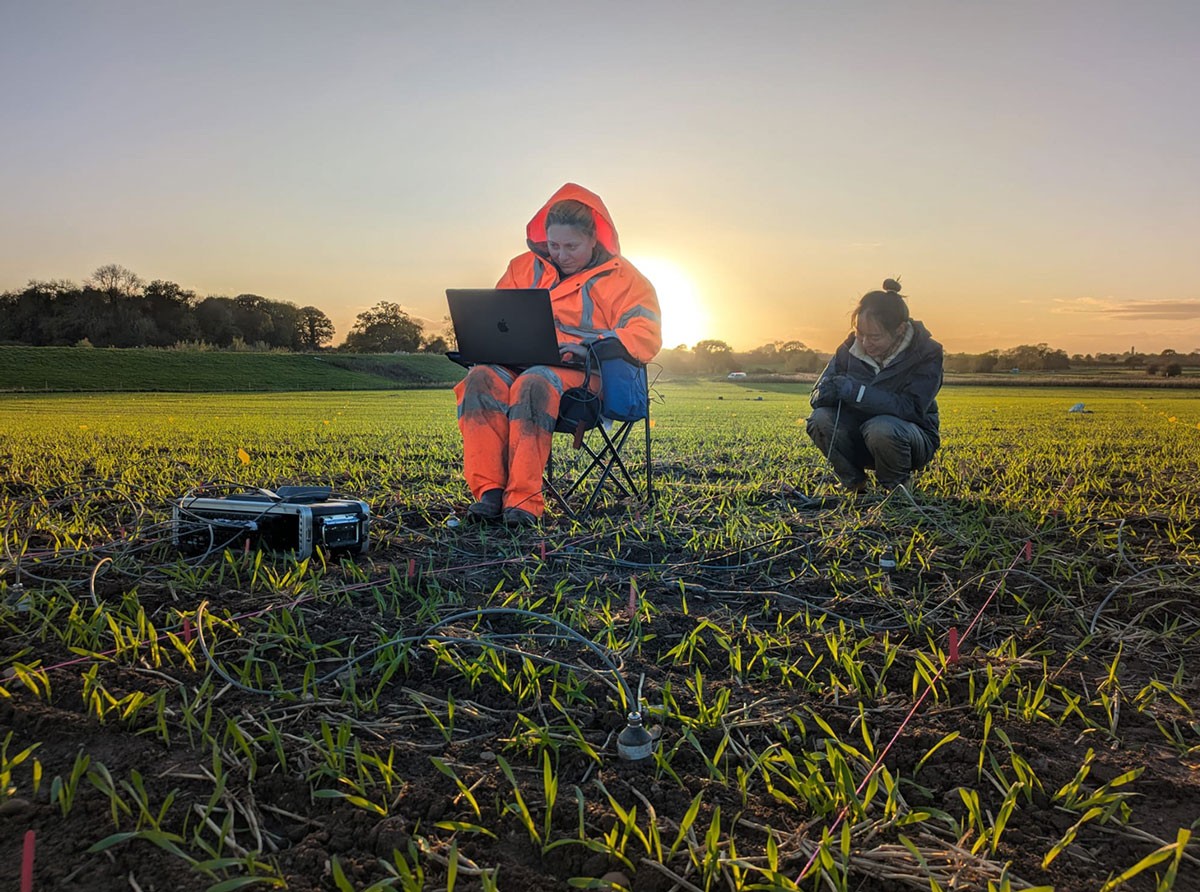
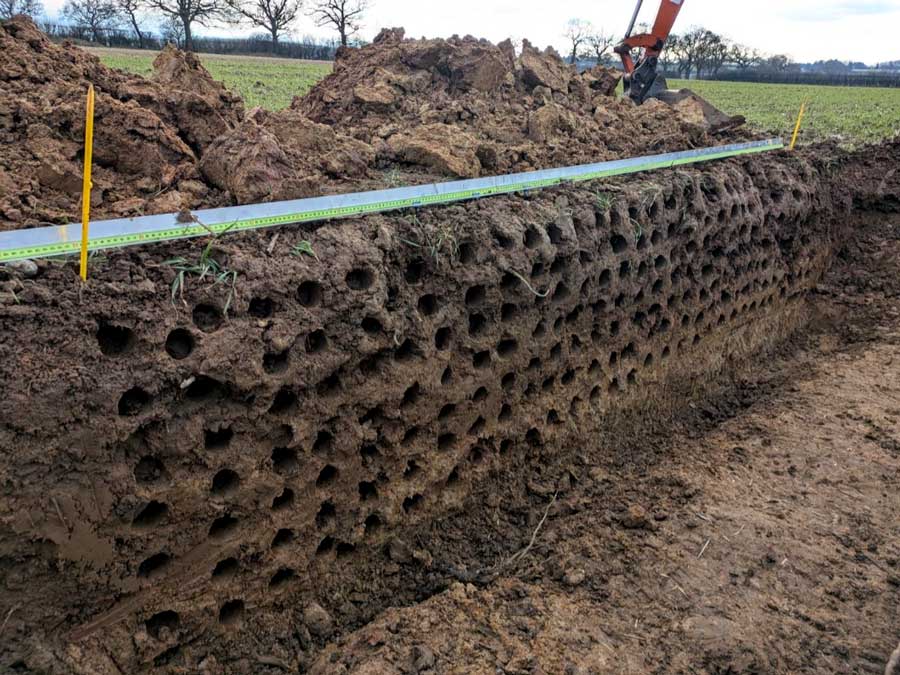
Currently working on the first fully 3D map of the topsoil and subsoil of one hectare of agricultural land.
We have previously worked on quantifying the changes to soil bulk density using seismology during the transition to Conservation Agriculture View Paper
We have previously worked on quantifying the depth of peatland using seismology, with potential to greatly save on time and labour in comparison to traditional methodologies View Paper
We have undertaken a series of controlled experiments in Harper Adams’ soil hall with, regarding instrument response, a variety of source types (hammer, tractor, wacker plate, human footstep, noise).
FACILITIES
1 LOMbox( 17 sensors)
soil laboratory
Soil Hall *(controlled lab environment)
PARTNERS

What we do
In operation since ERP’s beginning in November 2023, we are the primary agricultural hub for the UK, and manage many ERP’s field trials in the country. Our team’s expertise spans soil science, soil ecology, soil physics, soil erosion modelling, agronomy, and GIS. We also design and build the hardware used in ERP’s work across the globe.
Our research goals are:
Develop hardware that can aid farmers manage soils for better outcomes in the UK and abroad.
Develop a unique approach to agricultural soil management and monitoring using seismology.
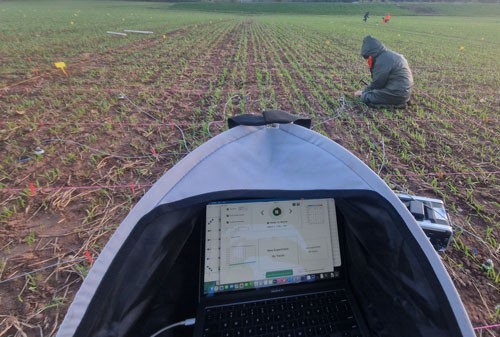
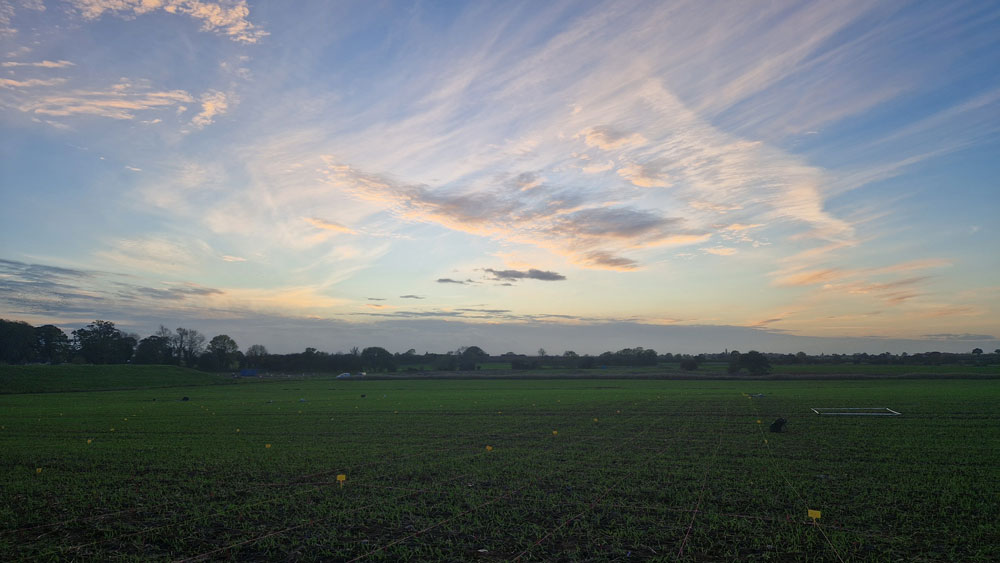
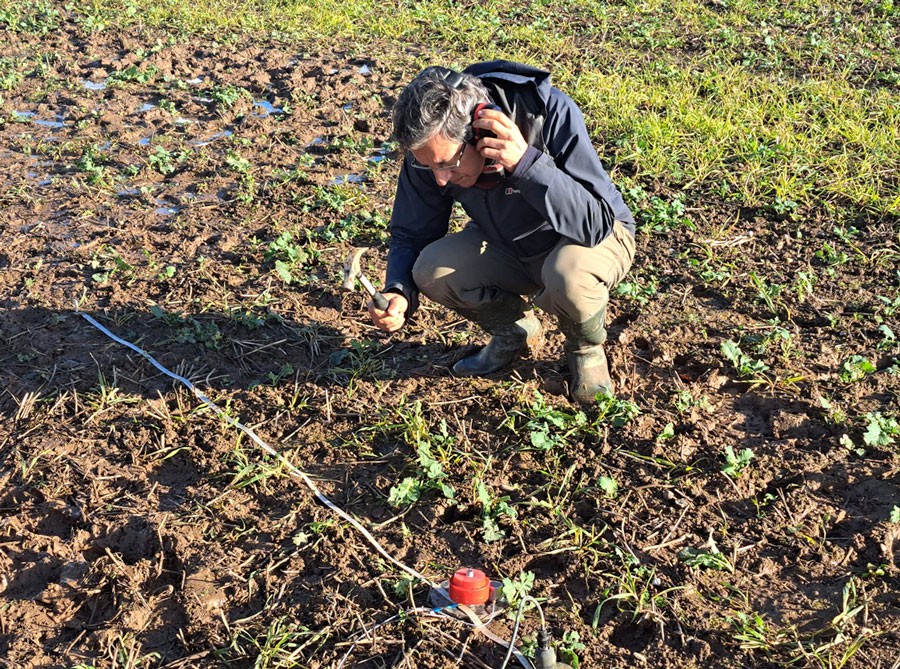
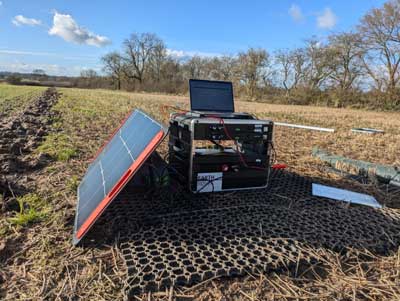
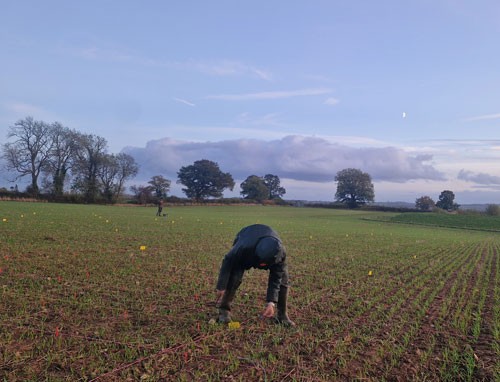
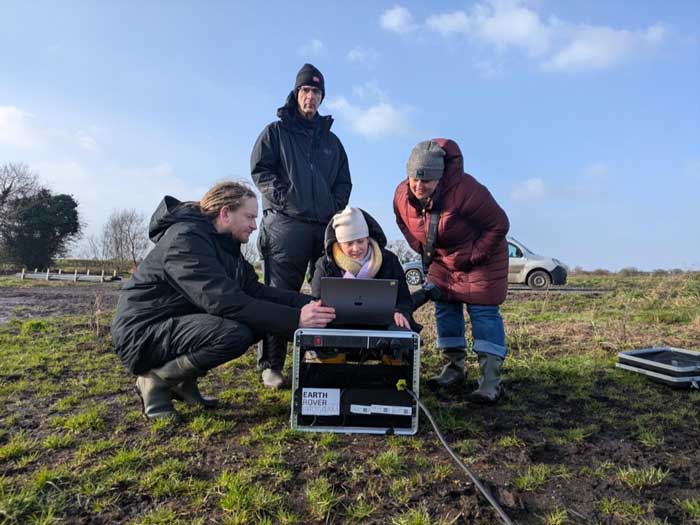
We are developing hardware that can aid farmers manage soils for better outcomes in the UK and abroad.
Survey sites
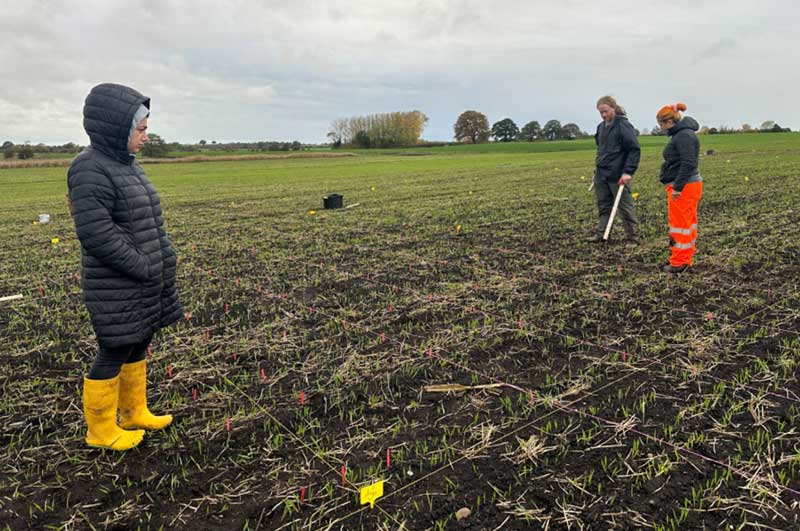
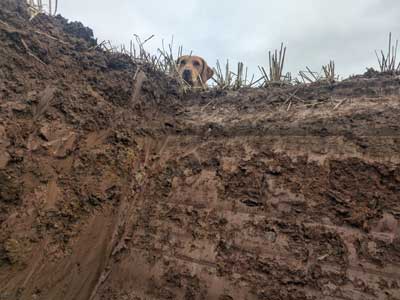
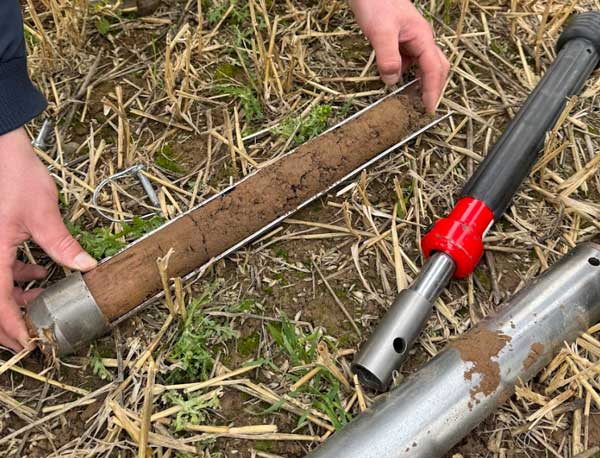
Currently working on the first fully 3D map of the topsoil and subsoil of one hectare of agricultural land.
We have previously worked on quantifying the changes to soil bulk density using seismology during the transition to Conservation Agriculture.
We have previously worked on quantifying the depth of peatland using seismology, with potential to greatly save on time and labour in comparison to traditional methodologies.
We have undertaken a series of controlled experiments in Harper Adams’ soil hall with, regarding instrument response, a variety of source types (hammer, tractor, wacker plate, human footstep, noise).