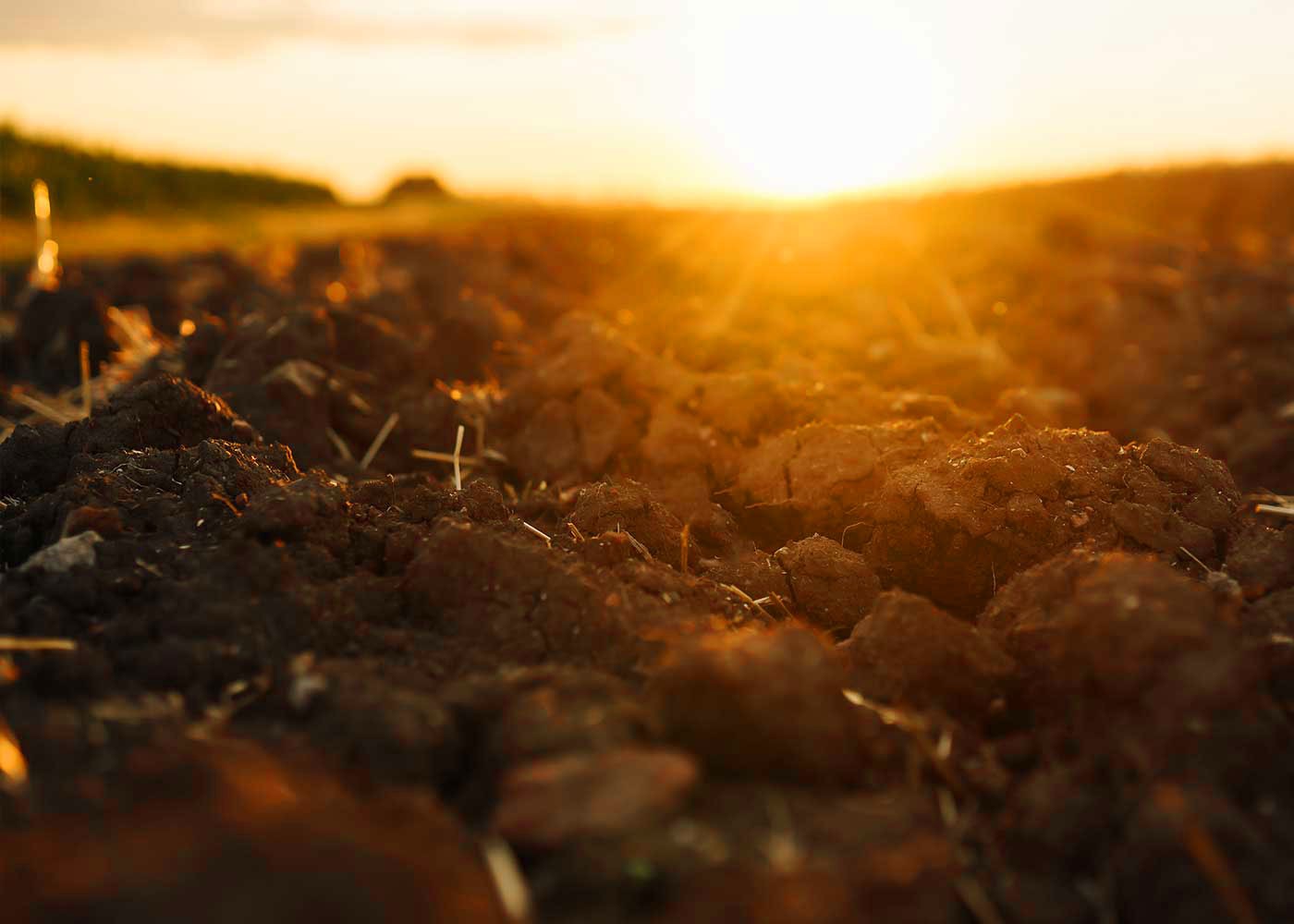
Earth Rover Program is a not-for-profit organisation developing new, low-cost technologies for “seeing” into the soil.
By adapting proven methods from seismology, we aim to map key soil properties such as structure, moisture, bulk density, horizons and topsoil volume, with the potential to infer texture, porosity and carbon content. Our goal is to make high quality soil information accessible to anyone.
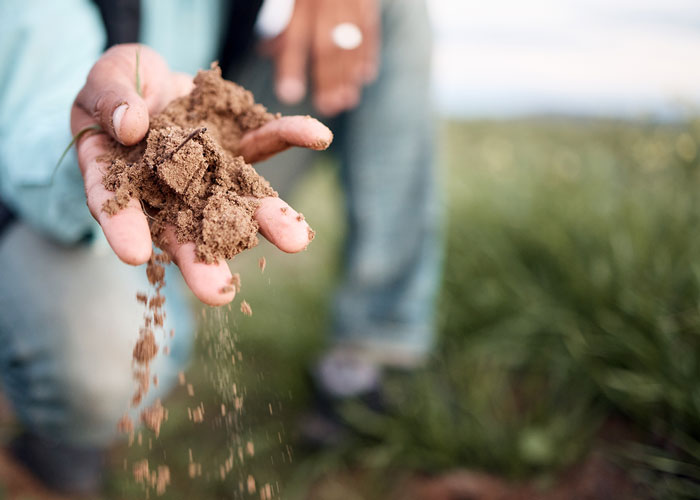
ERP aims to build a global soilcast for real-time soil health
Earth Rover Program is a not-for-profit organisation developing new, low-cost technologies for “seeing” into the soil.
By adapting proven methods from seismology, we aim to map key soil properties such as structure, moisture, bulk density, horizons and topsoil volume, with the potential to infer texture, porosity and carbon content. Our goal is to make high quality soil information accessible to anyone.
ERP aims to build a global soilcast for real-time soil health
Earth Rover Program is a not-for-profit organisation developing new, low-cost technologies for “seeing” into the soil.
By adapting proven methods from seismology, we aim to map key soil properties such as structure, moisture, bulk density, horizons and topsoil volume, with the potential to infer texture, porosity and carbon content. Our goal is to make high quality soil information accessible to anyone.
ERP aims to build a global soilcast for real-time soil health
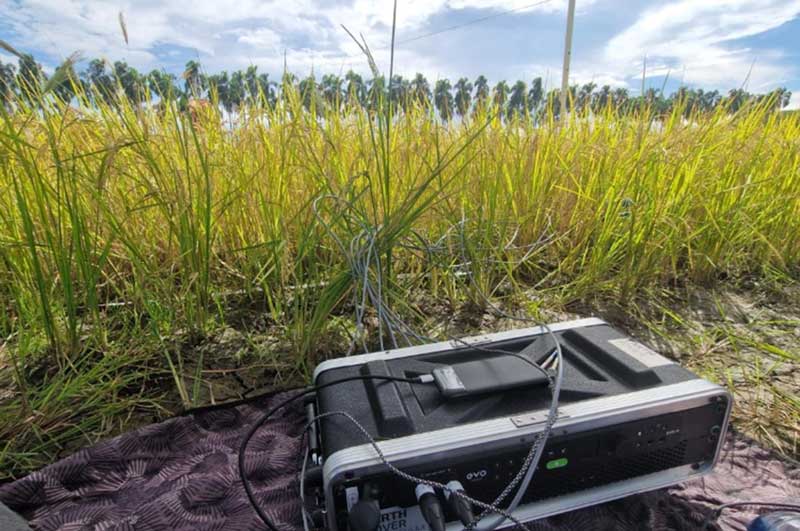
Soilsmology adapts seismology to measure soil structure non invasively
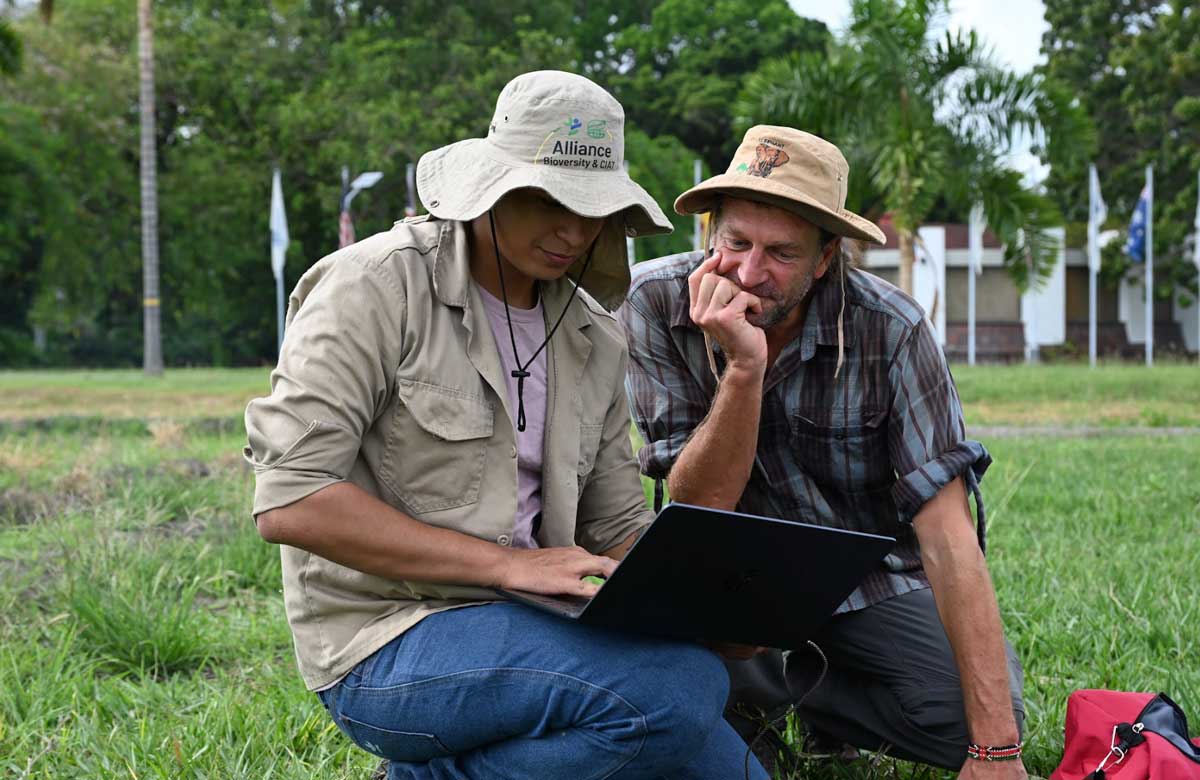
Why soil needs a new approach
Soils are vital, complex and difficult to measure
In assessing soils, we face a triple whammy. As a complex ecosystem, soils cannot be described by any comprehensive theory or modelling available across scales. They face severe data poverty in resolution, coverage and depth information. Yet they are a crucial ecosystem for life on Earth, under pressure, and require informed decision making to restore their function across the globe. We urgently need methods that are fast, non-invasive and scalable.
Soilsmology adapts seismology to measure soil structure non invasively
Why soil needs a new approach
Soils are vital, complex and difficult to measure
In assessing soils, we face a triple whammy. As a complex ecosystem, soils cannot be described by any comprehensive theory or modelling available across scales. They face severe data poverty in resolution, coverage and depth information. Yet they are a crucial ecosystem for life on Earth, under pressure, and require informed decision making to restore their function across the globe. We urgently need methods that are fast, non-invasive and scalable.
Soilsmology adapts seismology to measure soil structure non invasively
Why soil needs a new approach
Soils are vital, complex and difficult to measure
In assessing soils, we face a triple whammy. As a complex ecosystem, soils cannot be described by any comprehensive theory or modelling available across scales. They face severe data poverty in resolution, coverage and depth information. Yet they are a crucial ecosystem for life on Earth, under pressure, and require informed decision making to restore their function across the globe. We urgently need methods that are fast, non-invasive and scalable.
Bulk density and topsoil depth are rarely measured directly
Our Approach
Our ultimate aim? To empower farmers, fostering the capability to sustain high yields while minimising interventions.
Imagine that farmers everywhere, regardless of their size and income, were able to peer into the ground beneath their feet. Imagine they could quickly assess the soil’s quality and health, and see what might be lacking. Imagine that this new insight allowed them to develop, to a much greater degree than is possible today, bespoke farming techniques tailored to the unique properties of their land. And, in doing so, to maintain high yields while minimising their interventions.
The Earth Rover Program empowers farmers to visualise the health, structure and deficiencies of their soils in quasi real time, enabling evidence-based agronomic advice.
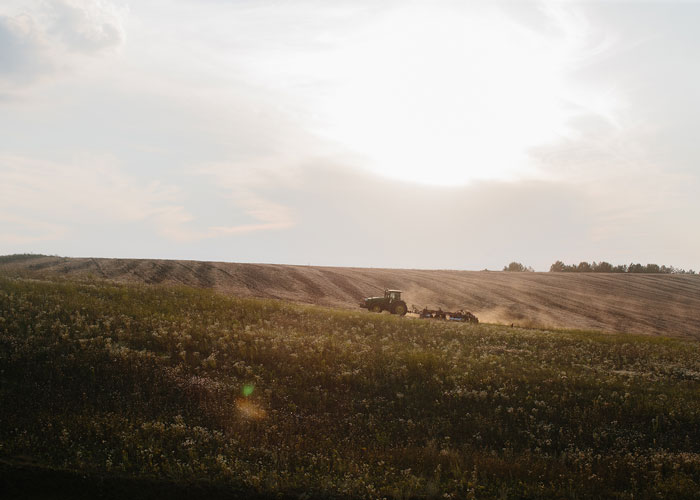
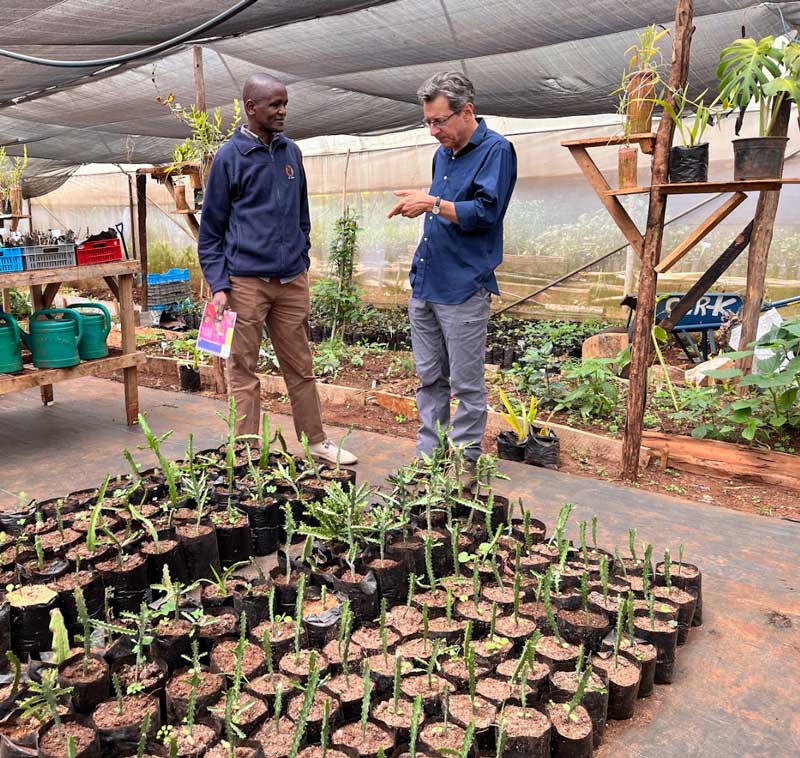
Traditional soil monitoring is slow, costly and invasive.
Our Approach
Our ultimate aim? To empower farmers, fostering the capability to sustain high yields while minimising interventions.
Imagine that farmers everywhere, regardless of their size and income, were able to peer into the ground beneath their feet. Imagine they could quickly assess the soil’s quality and health, and see what might be lacking. Imagine that this new insight allowed them to develop, to a much greater degree than is possible today, bespoke farming techniques tailored to the unique properties of their land. And, in doing so, to maintain high yields while minimising their interventions.
The Earth Rover Program empowers farmers to visualise the health, structure and deficiencies of their soils in quasi real time, enabling evidence-based agronomic advice.
Traditional soil monitoring is slow, costly and invasive.
Our Approach
Our ultimate aim? To empower farmers, fostering the capability to sustain high yields while minimising interventions.
Imagine that farmers everywhere, regardless of their size and income, were able to peer into the ground beneath their feet. Imagine they could quickly assess the soil’s quality and health, and see what might be lacking. Imagine that this new insight allowed them to develop, to a much greater degree than is possible today, bespoke farming techniques tailored to the unique properties of their land. And, in doing so, to maintain high yields while minimising their interventions.
The Earth Rover Program empowers farmers to visualise the health, structure and deficiencies of their soils in quasi real time, enabling evidence-based agronomic advice.
What we have delivered so far.
What we have delivered so far.
ERP is building an integrated toolkit for understanding soil systems at scale. Our work spans field surveys, seismic imaging, modelling, sensor development, machine learning and applied soil science. Each strand supports the others, creating a cohesive framework that can measure soil properties quickly, affordably and non-invasively.
Our key achievements and breakthroughs to date include:
ERP is building an integrated toolkit for understanding soil systems at scale. Our work spans field surveys, seismic imaging, modelling, sensor development, machine learning and applied soil science. Each strand supports the others, creating a cohesive framework that can measure soil properties quickly, affordably and non-invasively.
Our key achievements and breakthroughs to date include:

Earth Rover Program secures ~GBP 3M in initial funding

High-end accelerometers are used at an approximate cost of GBP 1000 per unit

High-frequency geophones are used at an approximate cost of GBP 100 per unit

The Earth Rover Program develops its MEMS sensor kit at an approximate cost of GBP 10 per unit

Scalable soil sampling in operation across dozens of agroecological zones on 3 continents

Mapping topsoil properties such as bulk density at 10cm scales

Earth Rover Program secures additional funding from UBS Optimus

ERP-GPT is developed by the Earth Rover Program
Why the Earth Rover Program
What begins as a hammer strike becomes a window into soil health. We are building the tools to read the ground in real time.
Degraded soils could cut yields by up to 50 percent by 2050
Why the Earth Rover Program
What begins as a hammer strike becomes a window into soil health. We are building the tools to read the ground in real time.
Degraded soils could cut yields by up to 50 percent by 2050
Why the Earth Rover Program
What begins as a hammer strike becomes a window into soil health. We are building the tools to read the ground in real time.
Degraded soils could cut yields by up to 50 percent by 2050
Bulk density and topsoil depth are rarely measured directly
Feeding the Future
Giving farmers the ability to see what soil needs
Imagine farmers everywhere being able to peer beneath their fields, quickly assess soil quality and understand what is lacking. This new insight could allow bespoke techniques tailored to each parcel of land, maintaining high yields while reducing interventions. Our aim is to empower farmers and land stewards with tools that help them reduce costs and environmental impacts.
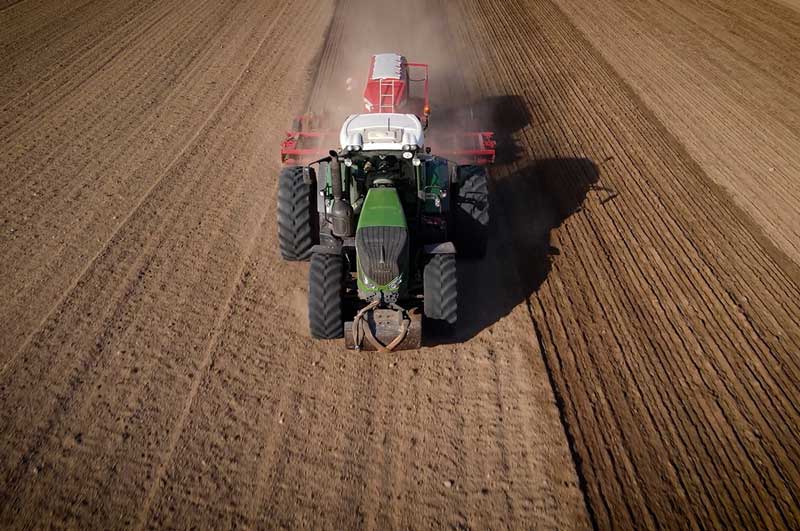
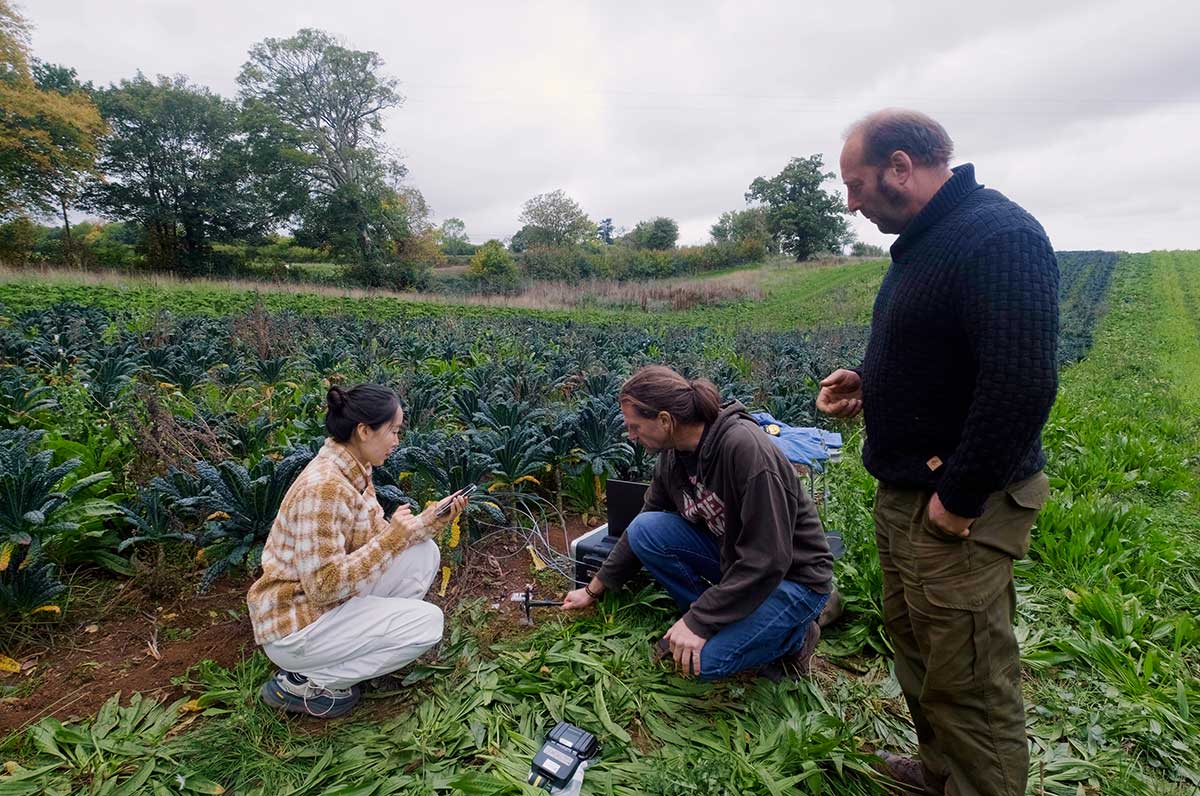
Traditional soil monitoring is slow, costly and invasive.
Feeding the Future
Giving farmers the ability to see what soil needs
Imagine farmers everywhere being able to peer beneath their fields, quickly assess soil quality and understand what is lacking. This new insight could allow bespoke techniques tailored to each parcel of land, maintaining high yields while reducing interventions. Our aim is to empower farmers and land stewards with tools that help them reduce costs and environmental impacts.
Traditional soil monitoring is slow, costly and invasive.
Feeding the Future
Giving farmers the ability to see what soil needs
Imagine farmers everywhere being able to peer beneath their fields, quickly assess soil quality and understand what is lacking. This new insight could allow bespoke techniques tailored to each parcel of land, maintaining high yields while reducing interventions. Our aim is to empower farmers and land stewards with tools that help them reduce costs and environmental impacts.
Soilsmology adapts seismology to measure soil structure non invasively
Building Global Capacity
Why the world needs a new way to see its soils
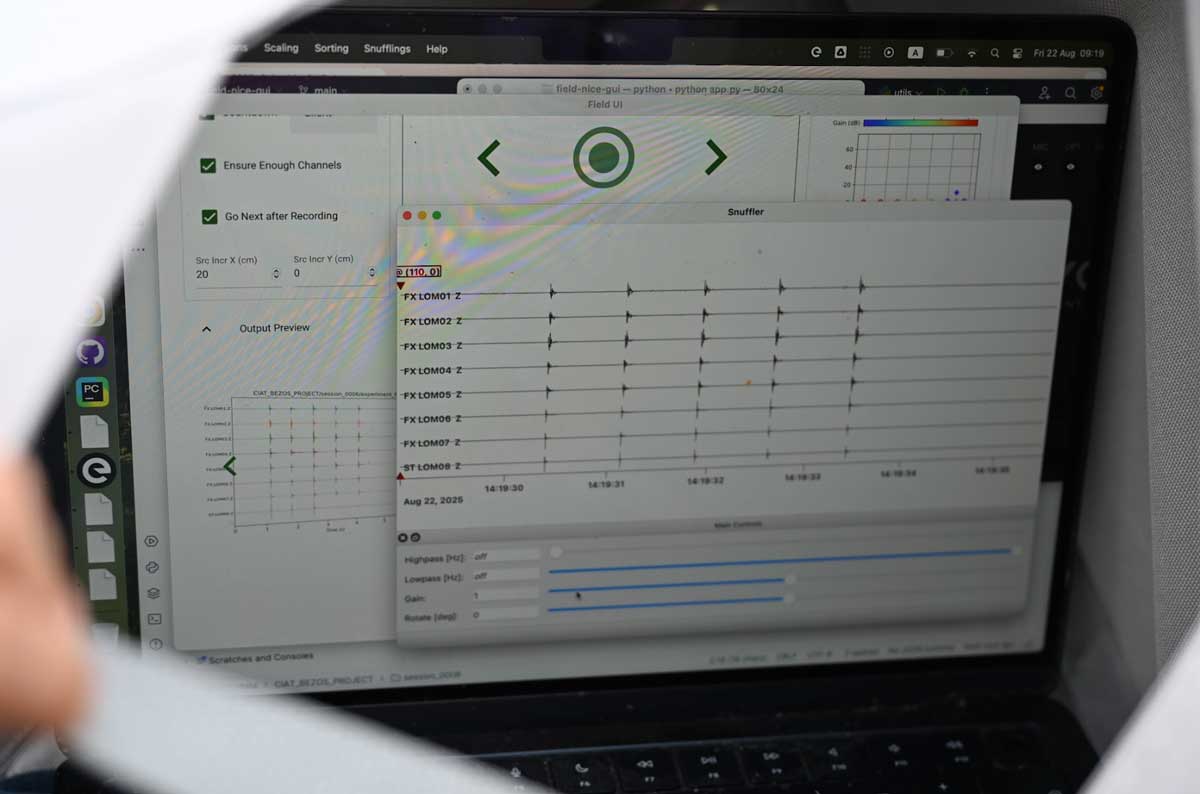
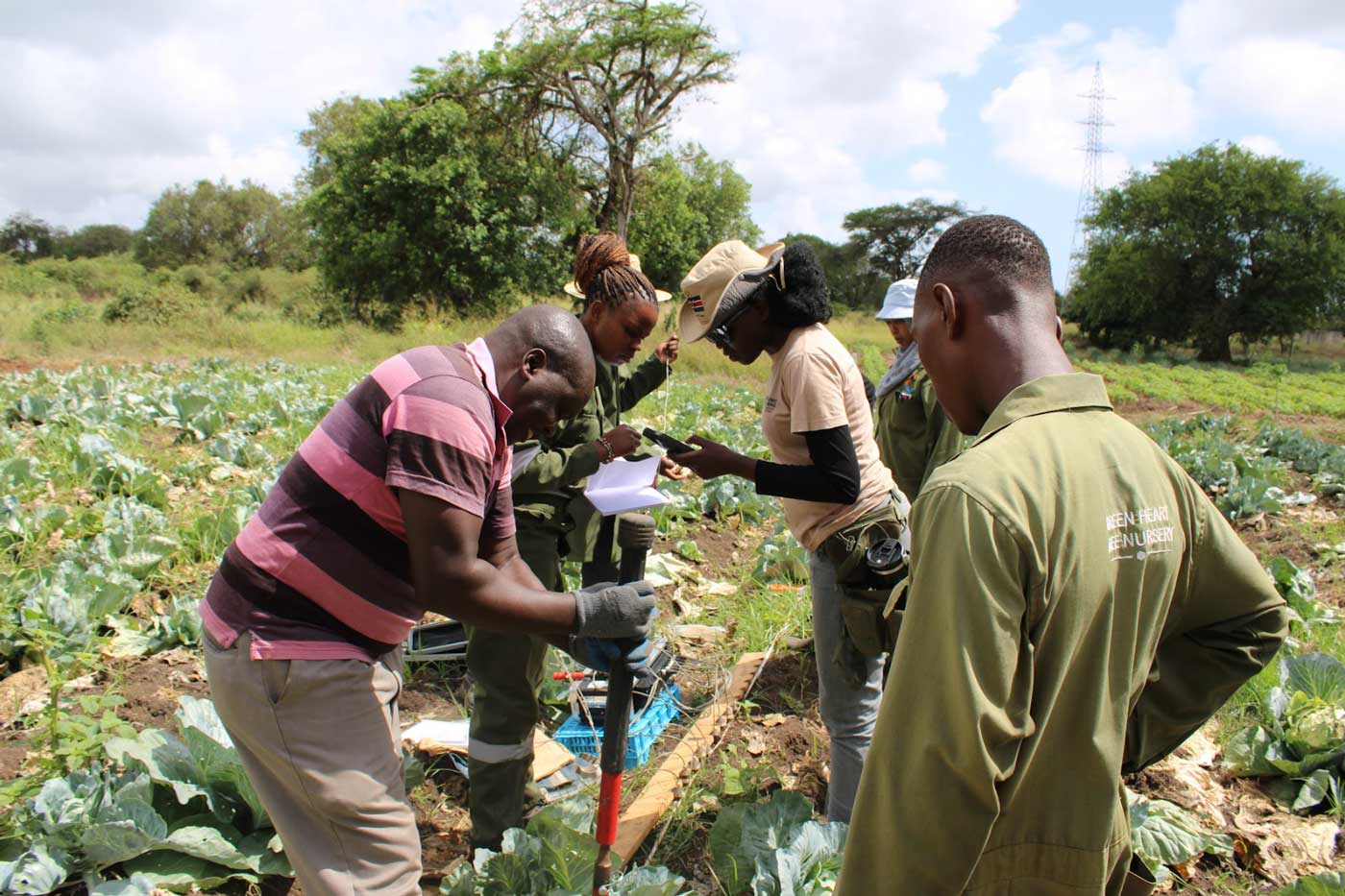
Traditional methods are costly, invasive and slow, producing fragmented data that cannot capture soil’s immense variability across landscapes and over time. Soil remains a black box because existing tools struggle to measure its dynamics with sufficient consistency, resolution and depth.
We are conducting proof-of-concept trials that are yielding highly promising results. The next step is to establish ERP hubs around the world, working with partners across diverse soil types and landscapes. As the global dataset expands, we will build soil benchmarks and create accessible tools that anyone can deploy, anywhere.
Soilsmology adapts seismology to measure soil structure non invasively
Building Global Capacity
Why the world needs a new way to see its soils
Traditional methods are costly, invasive and slow, producing fragmented data that cannot capture soil’s immense variability across landscapes and over time. Soil remains a black box because existing tools struggle to measure its dynamics with sufficient consistency, resolution and depth.
We are conducting proof-of-concept trials that are yielding highly promising results. The next step is to establish ERP hubs around the world, working with partners across diverse soil types and landscapes. As the global dataset expands, we will build soil benchmarks and create accessible tools that anyone can deploy, anywhere.
Soilsmology adapts seismology to measure soil structure non invasively
Building Global Capacity
Why the world needs a new way to see its soils
Traditional methods are costly, invasive and slow, producing fragmented data that cannot capture soil’s immense variability across landscapes and over time. Soil remains a black box because existing tools struggle to measure its dynamics with sufficient consistency, resolution and depth.
We are conducting proof-of-concept trials that are yielding highly promising results. The next step is to establish ERP hubs around the world, working with partners across diverse soil types and landscapes. As the global dataset expands, we will build soil benchmarks and create accessible tools that anyone can deploy, anywhere.
Get occasional updates on new work, insights and useful resources.
By subscribing you agree to receive occasional emails. You can unsubscribe at any time.
Get occasional updates on new work, insights and useful resources.
By subscribing you agree to receive occasional emails. You can unsubscribe at any time.