Following the Pulse of Colombian Soils: Field Seismology Across Diverse Landscapes

Maure Figueroa Lopez
Research Scientist
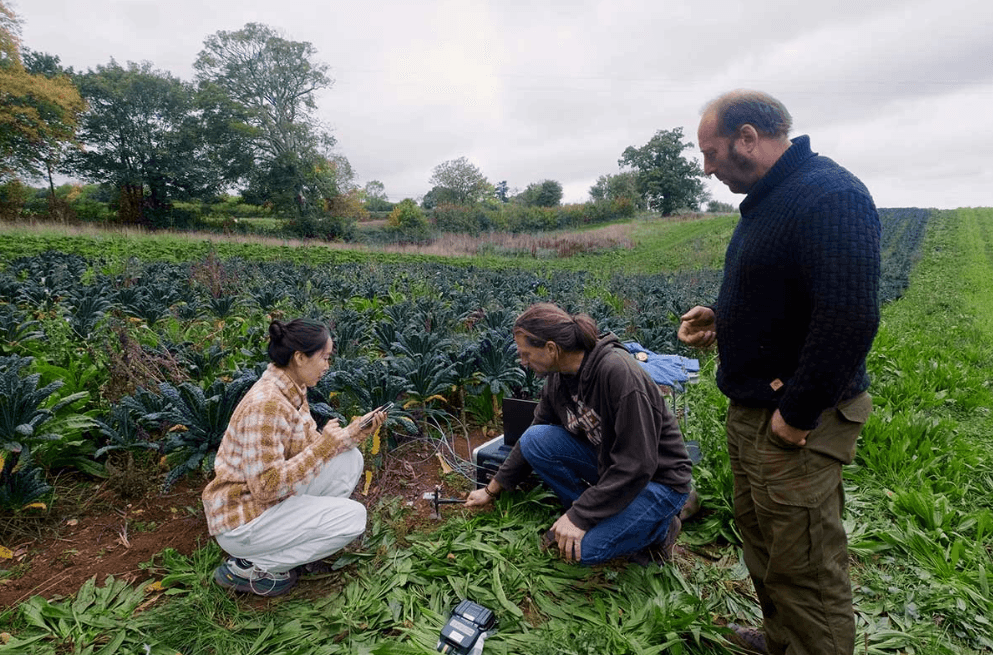
Last August, we entered into a partnership with the International Center for Tropical Agriculture (CIAT) in Colombia to test ERP’s hardware and software in additional, diverse ecosystems. CIAT, together with Bioversity International, is part of CGIAR, a global research partnership for a food secure future. As we move into the second year of the partnership, our colleagues at CIAT share some reflections on the first year of ERP’s research in Colombia.
Hello everyone! My name is Maure Figueroa, and I work as a Research Scientist with the Earth Rover Program, together with my colleague Andres Gruezo, both of us based at CIAT. I am an Agronomic Engineer currently pursuing a Master's degree in Agricultural Sciences with a focus on Agroecology. I have worked across several areas of soil and agricultural sciences, including agroforestry systems, heavy metal dynamics, soil carbon, soil biology, and rural extension. What I enjoy most, however, is the opportunity to learn from different disciplines and perspectives. Understanding how these seemingly different processes are interconnected helps reveal the complex synergies that shape agricultural and natural ecosystems.
Learning Across Disciplines
In this blog, I share my experience exploring how Soil Seismology (Soilsmology) is being applied across diverse regions of the country, and reflecting on the people, places, and collaborations that have shaped this journey. Colombia's extraordinary diversity is reflected not only in its landscapes and agricultural systems, but also in the soils that sustain them.
Beyond advancing scientific knowledge, the Earth Rover Program seeks to develop innovative, practical tools and generate evidence that can ultimately support farmers in their day-to-day decision-making. This purpose is particularly meaningful because farmers are at the heart of food sovereignty and food security. Despite their essential role, they often face increasingly complex environmental, social, and economic challenges.
I believe that science is most impactful when it extends beyond academic research and contributes to the people working directly with the land.
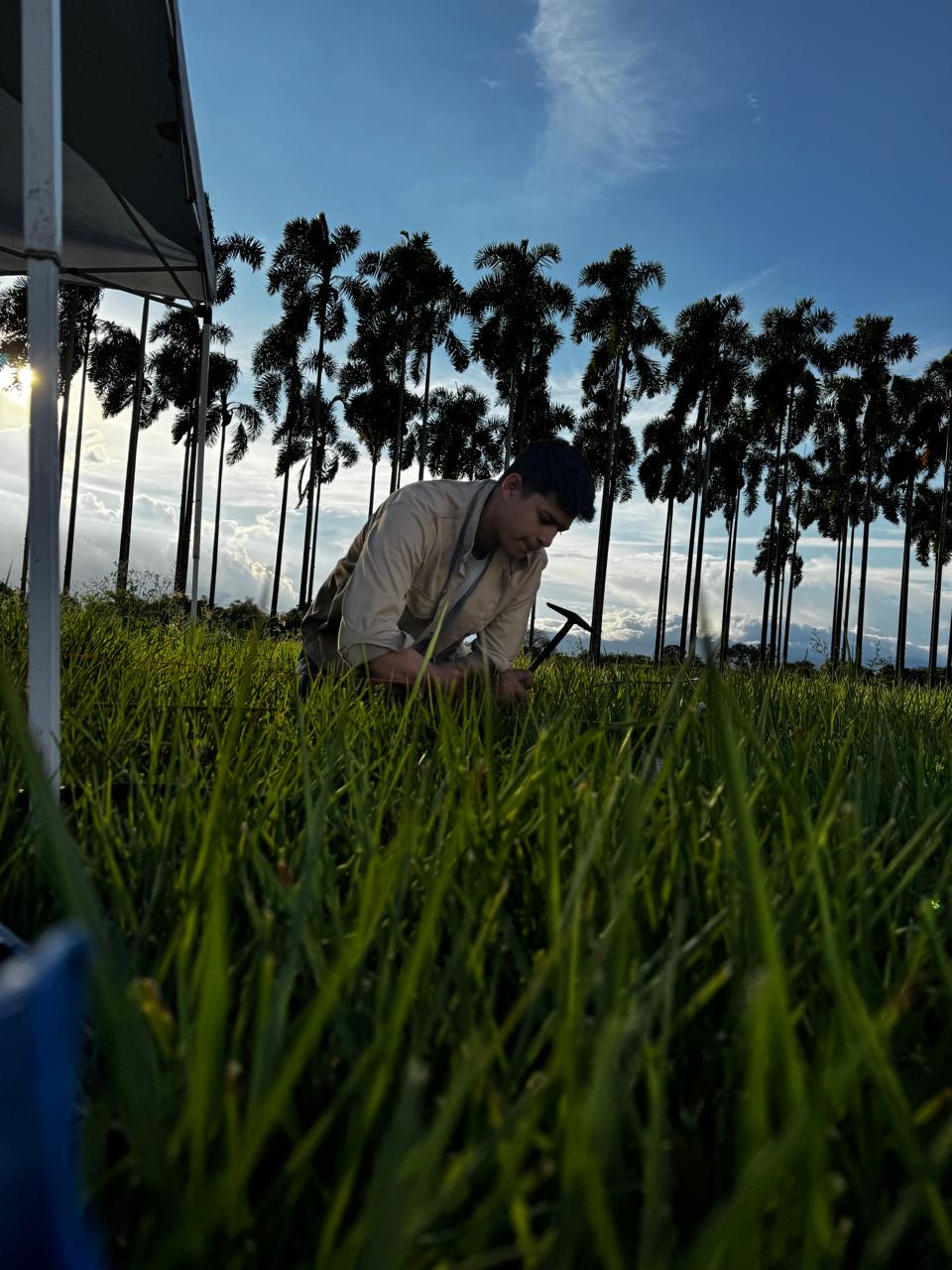
Figure 1. Non-invasive seismic surveying (hammering). Source: Author's own.
Colombia: A Mosaic of Landscapes and Agricultural Systems
Colombia is often recognized as one of the most biodiverse countries in the world, and it is also a nation with enormous agricultural potential. From the Andean mountains and inter-Andean valleys to the vast savannas of the Llanos, the country is home to an extraordinary diversity of landscapes, climates, and production systems.
This diversity is reflected not only above ground but also beneath our feet. Although much of what happens below the soil surface remains hidden from view, Colombian soils support a wide range of agricultural activities, sustain biodiversity, and regulate water cycles, providing the foundation for the livelihoods of thousands of farming families whose work is essential for food production and food security. Importantly, soil also contributes to carbon storage. Understanding how soils vary across landscapes and respond to different management practices remains one of the key challenges for sustainable agriculture.
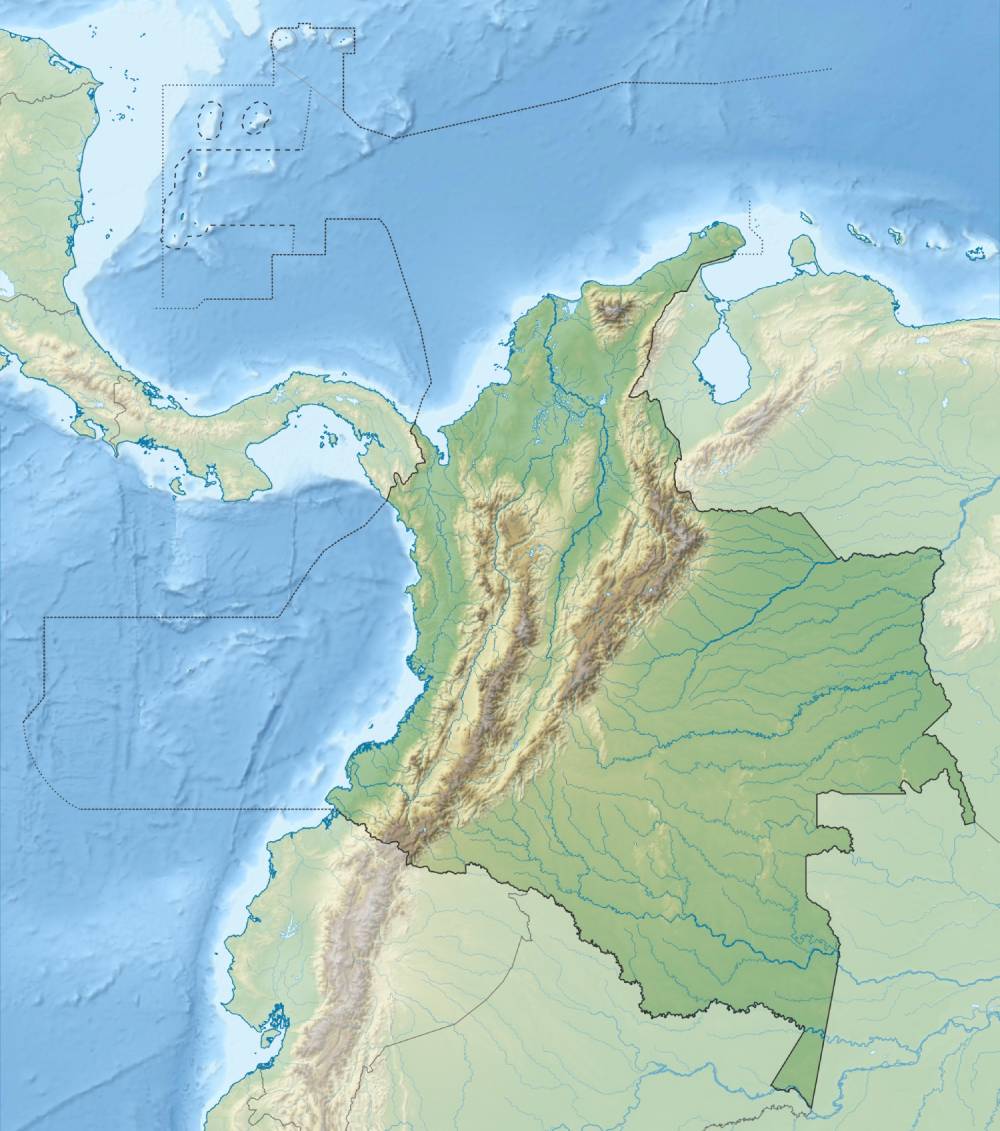
Figure 2: Physical map of Colombia and surrounding countries. Equirectangular projection.
Image: Grundkarte Milenioscuro, https://commons.wikimedia.org/
Discovering Soilsmology in Colombia
Soilsmology is a completely new field of research. While geophysical methods have long been used in sectors such as oil and gas exploration, mining, and engineering, their application for understanding agricultural soils is still emerging. Being part of this effort has been both challenging and inspiring.
For ERP, the collaboration with CIAT represents an opportunity to connect an emerging technology within real agricultural contexts. Through CIAT's long history of working alongside farmers, agricultural organizations, private-sector partners, and research initiatives, it is possible to evaluate Soilsmology across diverse production systems and landscapes while maintaining a strong connection to the people who ultimately depend on healthy soils.
Through the collaboration between ERP and CIAT, I became part of the team working on this initiative. I found it fascinating how concepts from agriculture, ecology, geophysics, engineering, and data science could come together to help us better understand what happens beneath the soil surface. This interdisciplinary character is one of the aspects of Soilsmology that I find most exciting today.
As a Colombian researcher, it is exciting to contribute to work that highlights the country's scientific potential, its agricultural diversity, and its capacity for innovation. In many ways, these projects help tell a different story about Colombia, one built on collaboration, scientific discovery, and opportunities for the future.
Bringing “Soilsmology” to Colombia's Landscapes
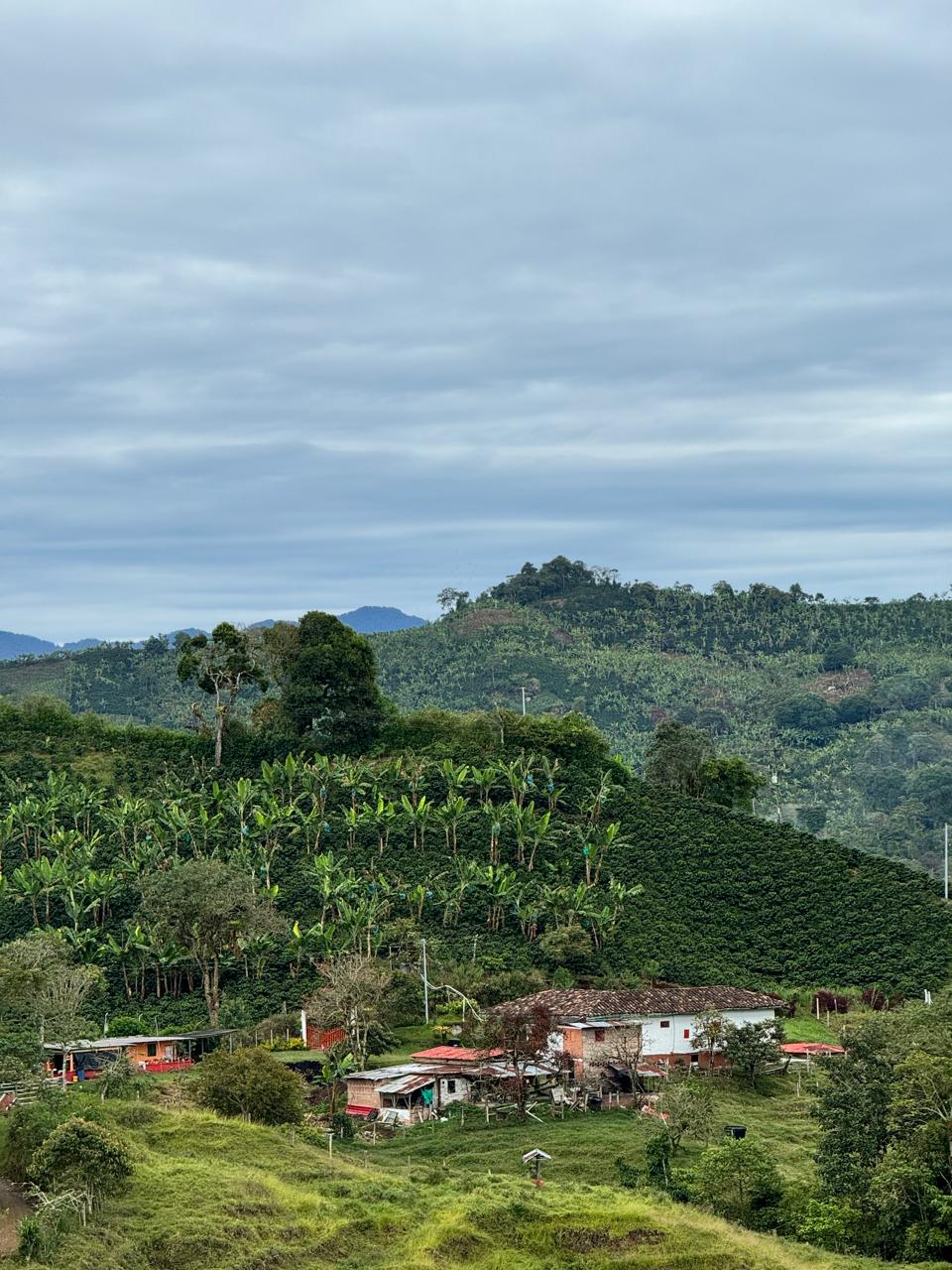
Figure 2. Colombian coffee landscape (Anserma-Caldas). Source: Author's own.
Field surveys have been conducted across several Colombian regions, each characterized by distinct environmental conditions, agricultural systems, and soil types. While the methodology remains consistent, every field campaign offers a different perspective on the landscapes and communities that depend on these soils.
Our work has taken us to locations including Palmira in Valle del Cauca, the Colombian Llanos, Anserma in Caldas, and Apartadó in Antioquia. Together, these regions represent a remarkable diversity of environments, ranging from agricultural research hubs and productive valleys to tropical savannas, mountainous coffee-growing landscapes, and humid tropical production systems.
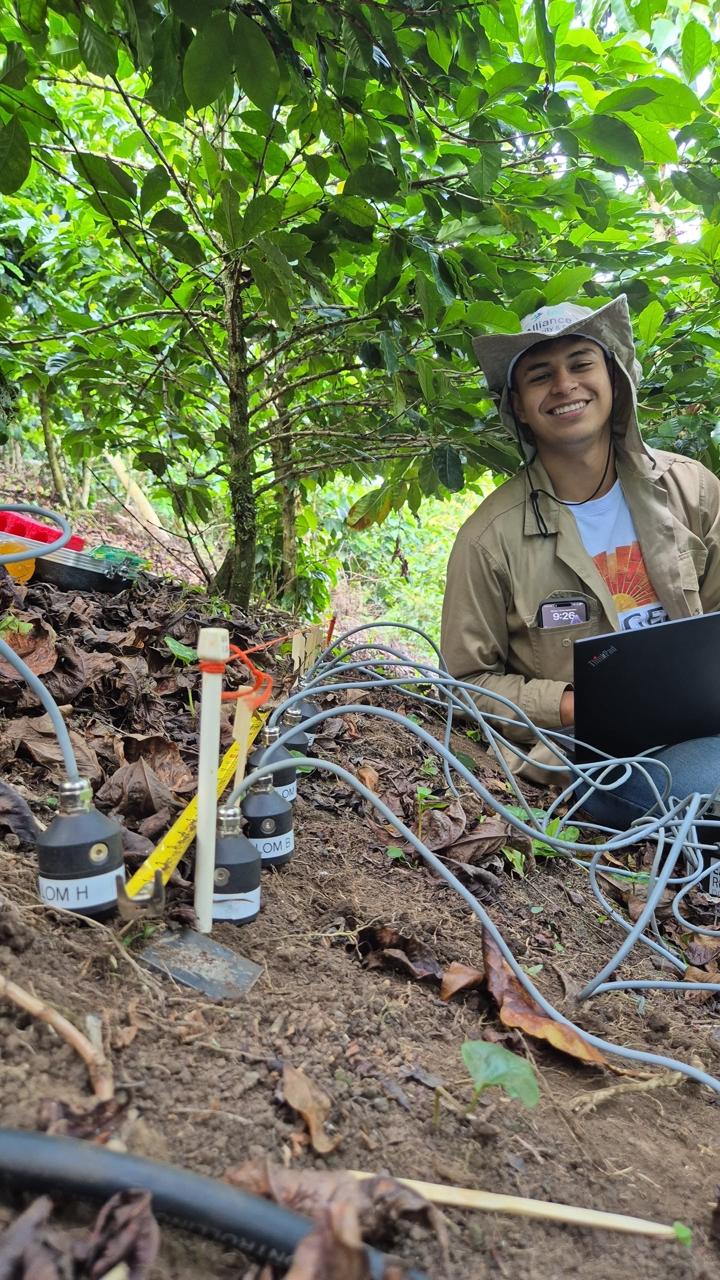
An exciting aspect of these field visits is arriving with our seismic equipment, affectionately known as Roberto. The setup often attracts immediate curiosity because it looks very different from the tools typically associated with soil sampling. While most people expect to see augers, shovels, or soil probes, they instead find lines of geophones connected to recording equipment spread across the ground.
Wherever Roberto goes, curiosity usually follows. These moments frequently lead to conversations with farmers, researchers, and local stakeholders about soil health, innovation, and the potential of emerging technologies to help us better understand what lies beneath the surface.
Figure 3. Maure with ‘Roberto’. Source: Author's own.
Collaborating Across Disciplines: The SPUN Deep Soil Project
One of the most exciting aspects of fieldwork is the opportunity to collaborate with other organizations that share a common interest in understanding the hidden processes occurring beneath our feet. As part of this effort, the Earth Rover Program and CIAT joined the Society for the Protection of Underground Networks (SPUN) during a soil sampling campaign at the La Libertad Research Station in Villavicencio, Colombia.
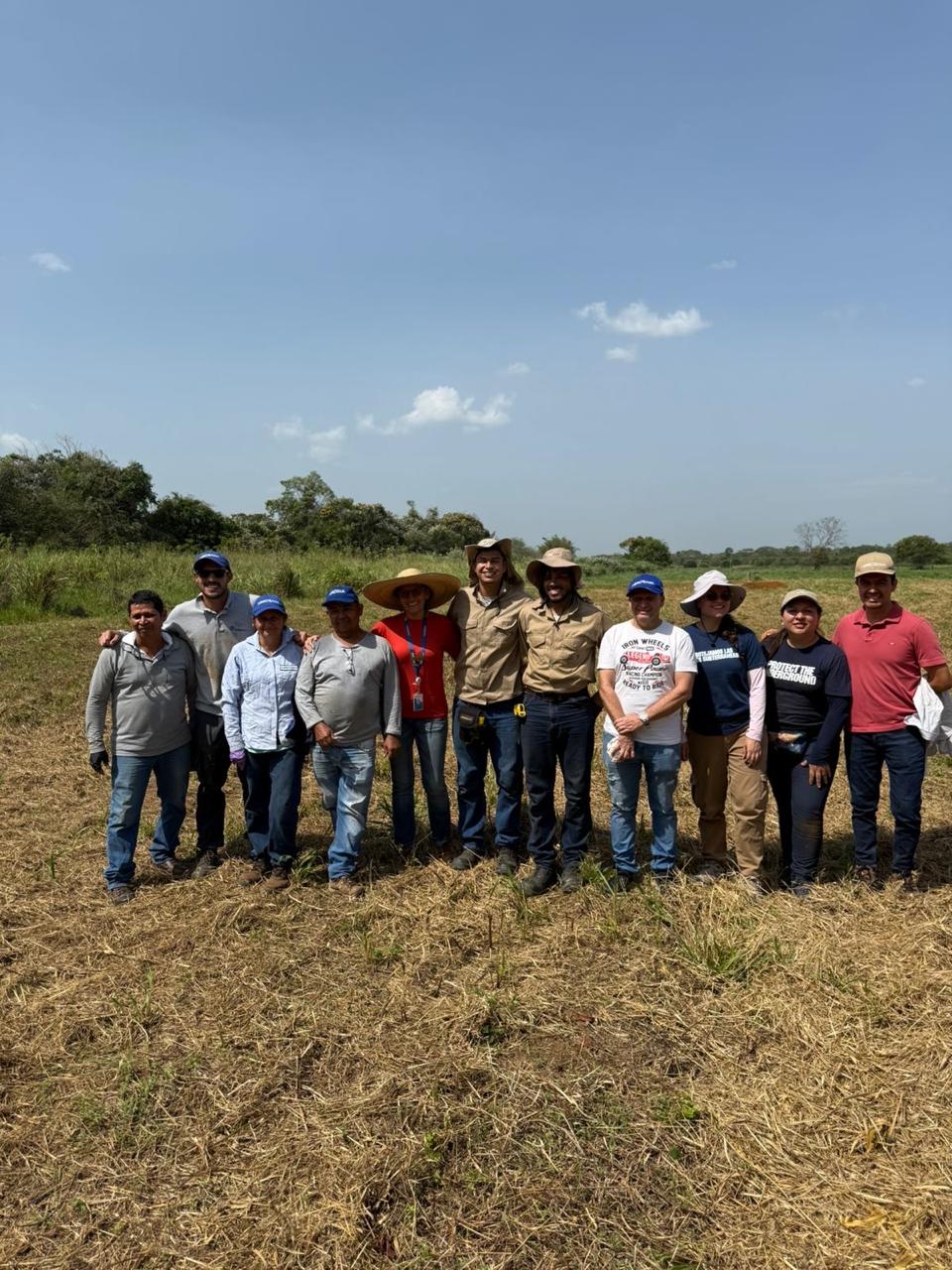
Figure 4. Deep soil project team. Source: Author's own.
During this campaign, geophysical, physical, and biological soil samples were collected to build a more comprehensive understanding of subsurface conditions and soil ecosystem dynamics. By combining different approaches and areas of expertise, these efforts contribute to a more integrated view of the processes that influence soil health and agricultural sustainability.
A particular focus of the campaign was to support the monitoring of belowground mycorrhizal fungal communities, which play a critical role in nutrient cycling, plant productivity, and carbon dynamics. For me, initiatives like this reflect one of the most inspiring aspects of working in agricultural research: the opportunity to connect diverse scientific perspectives in pursuit of a common goal, improving our understanding of soils and the ecosystems they sustain.
Science in Service of Farmers
An idea that resonates most strongly with me throughout this work is that scientific innovation should ultimately serve the people who interact with the land every day. While Soilsmology is still an emerging approach, its potential lies in helping us better understand the processes occurring beneath the surface while minimizing disturbance to the soil itself.
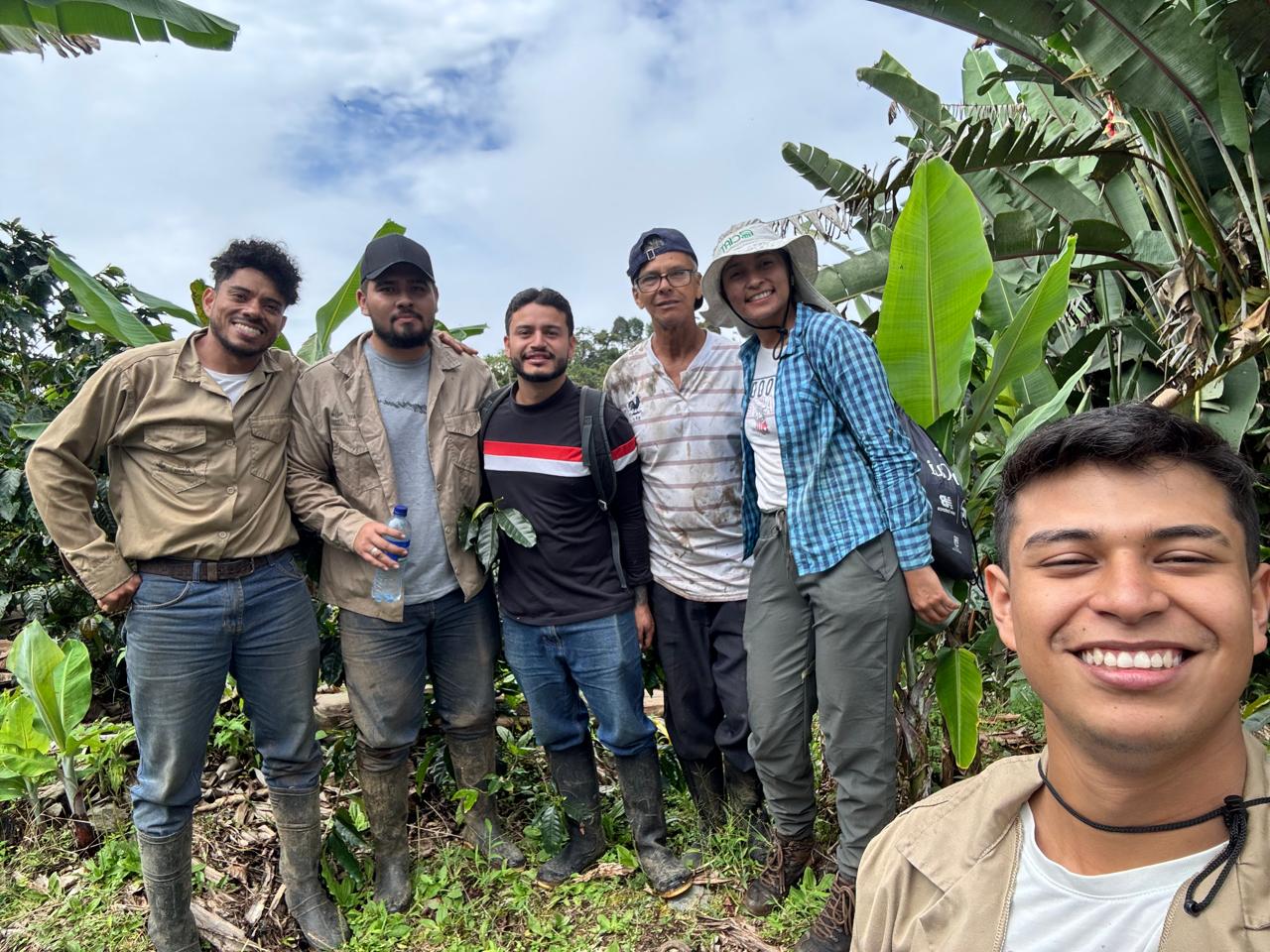
Figure 5. CIAT-ERP team & farmers. Source: Author's own.
Farmers continuously adapt to changing climatic conditions, market pressures, and environmental challenges. Developing new tools that improve our understanding of soil systems can contribute to more informed management decisions and, ultimately, to more resilient agricultural systems.
Working Across Borders and Culture
One of the most rewarding aspects of this experience has been the opportunity to meet and work alongside people from different countries, cultures, and backgrounds. Throughout this journey, I have learned that some of the most valuable experiences come not only from the places we visit or the data we collect, but also from the people we meet along the way. Working with colleagues from diverse cultural and professional backgrounds has broadened my perspective, challenged my way of thinking, and reminded me of the importance of collaboration in science.
Beyond the research itself, building these connections and learning from one another has been one of the most meaningful and memorable parts of my experience with the Earth Rover Program.
Looking Ahead
As Soilsmology continues to develop, new opportunities are emerging to explore a wider range of agricultural systems, ecosystems, and landscapes. Each field campaign contributes to a growing understanding of the processes occurring beneath the surface and helps build connections between disciplines that have traditionally worked separately.
The collaboration between Earth Rover Program, CIAT, farmers, and partner organizations demonstrates how innovation can thrive when different perspectives come together around a common goal. While we are still at the early stages of this journey, the experience has already shown the value of combining geophysics, ecology, and agricultural sciences to explore new ways of understanding soils.
Colombia's remarkable diversity extends far beyond what we see above ground. By following the pulse of Colombian soils across diverse landscapes, we are beginning to uncover part of the hidden world that sustains agriculture, ecosystems, and rural communities throughout the country.
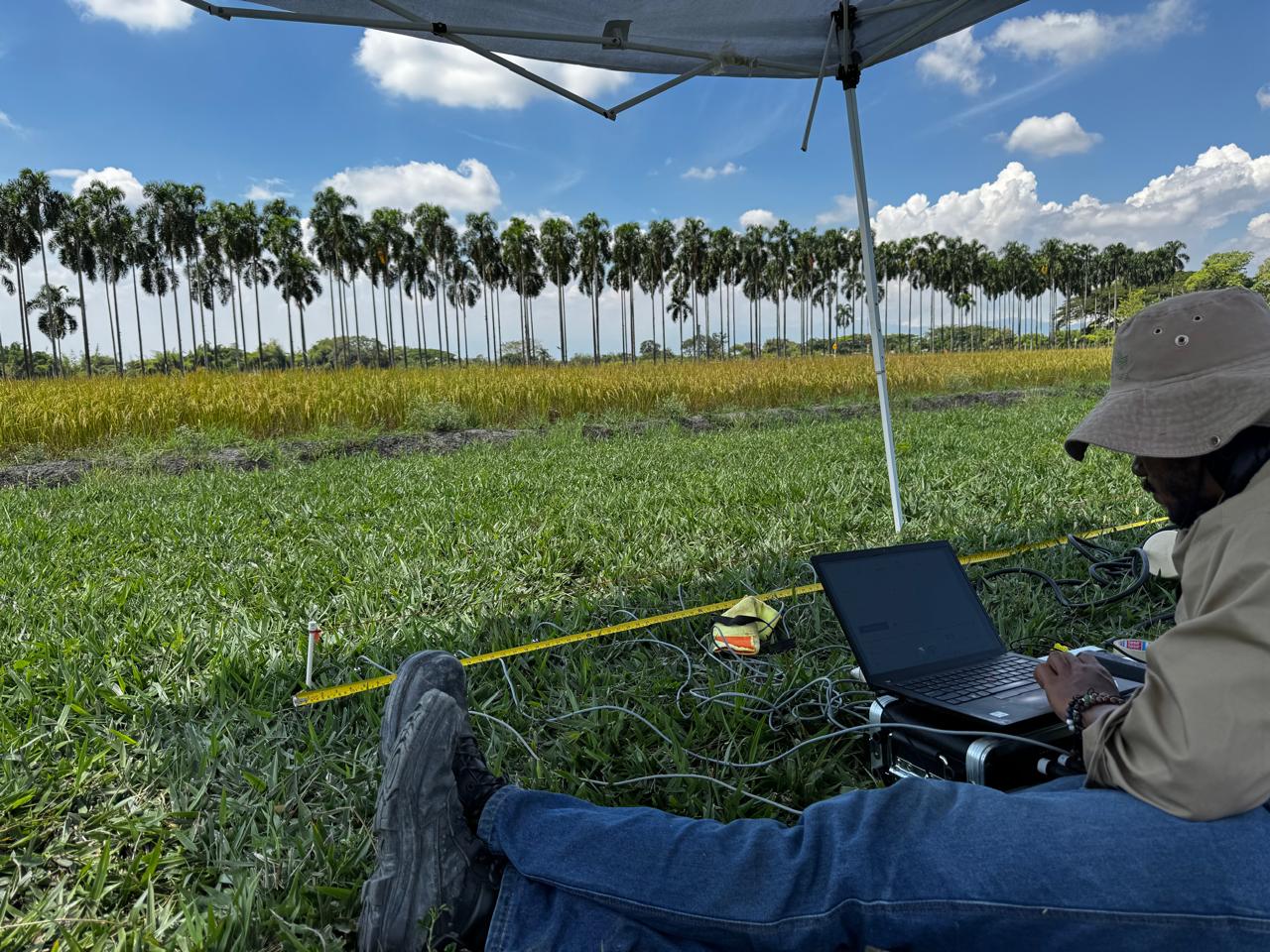
Figure 6. Sampling in CIAT campus. Source: Author's own.