From Soil Intelligence to Landscape Action: Connecting Innovation, Evidence and Practice in Kenya
Ongidi Kevin
Communication and Networking Lead
On 2 September 2026, Earth Rover Program (ERP) and the Centre for Ecosystem Restoration Kenya (CER-K) brought together a diverse group of practitioners, researchers, development organisations and restoration actors at the CER-K Building in Brackenhurst, Limuru, for the UDONGO Soil Innovation Forum. The theme was "From Soil Intelligence to Landscape Action: Showcasing Geophysical Innovation for Climate-Resilient Kenya".

The day was about more than showcasing technology. At the centre of the conversation was a simple but important question:
How do we turn better information about our soils into better decisions on the ground?
That question brought together people working in agriculture, ecosystem restoration, research, development, forestry, climate resilience and landscape restoration. One of the most useful aspects of the forum was the range of perspectives in the room.
Soil scientists and researchers look at soil through measurements and data. Farmers and land managers experience soil through what happens when they plant, when the rains fail, when crops perform differently from one part of a landscape to another, or when degraded land becomes increasingly difficult to restore.
Development organisations look at the implications for livelihoods and food security. Restoration organisations are interested in how information can guide where and how restoration should happen. Government institutions have to think about planning and policy. Technology providers are asking how new tools can make information more accessible and useful.
All of these perspectives are important.
FROM INFORMATION TO DECISIONS
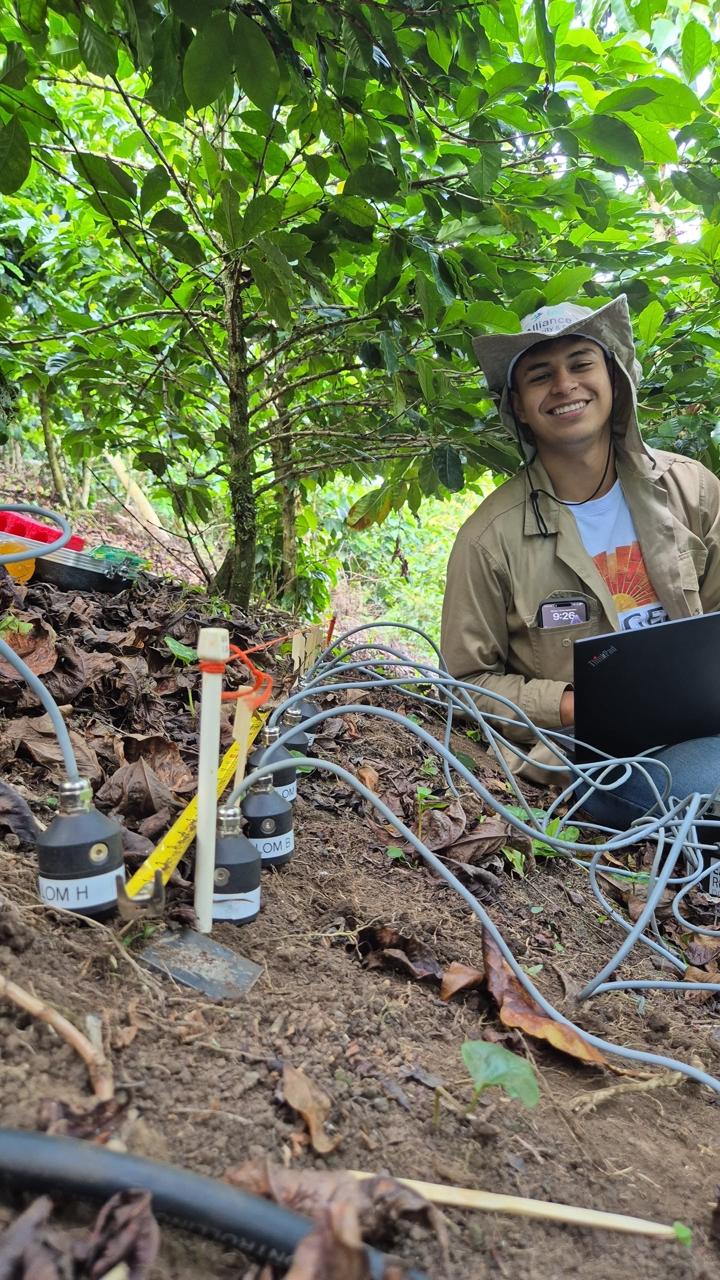
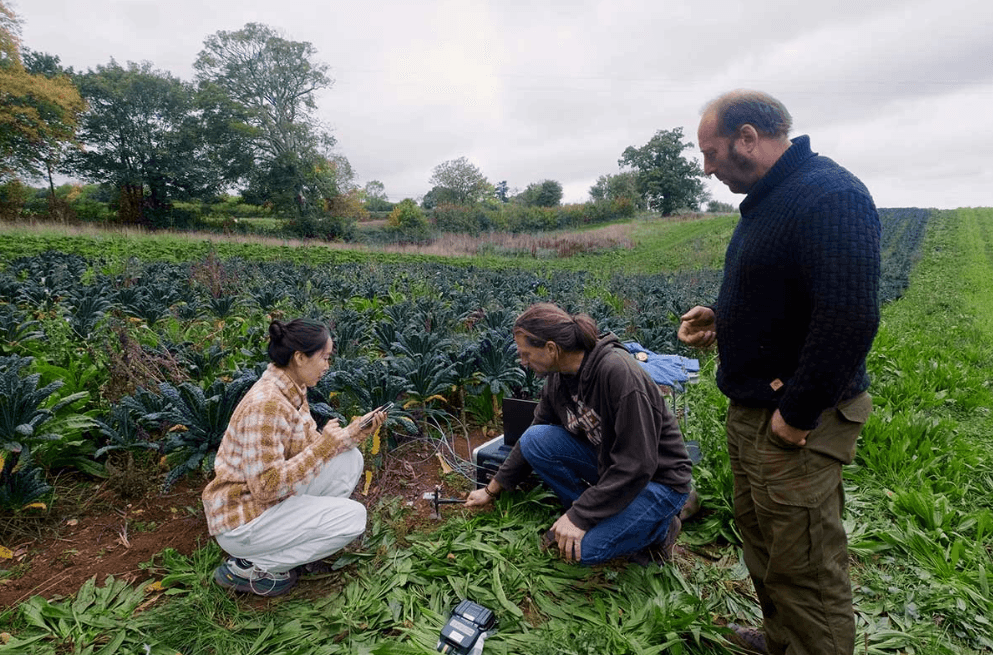
The Earth Rover Program is exploring how geophysical technologies and soil information can provide a better understanding of what is happening below the surface.
That information has the potential to support decisions around agriculture, land management, restoration and climate resilience. But generating information is only one part of the process.
The bigger question is what happens next.
How does a farmer use the information?
How does a restoration practitioner apply it when deciding where to intervene?
How can government and development partners use it in planning?
How can researchers and practitioners work together so that the information produced responds to real needs?
These questions shaped much of the discussion during the forum.
In the session "From Soil Intelligence to Action: What Will It Take to Make Better Soil Decisions a Reality?", participants explored some of the practical issues that need to be addressed if soil information is to move beyond research and become useful in everyday decision-making.
This includes making technical information easier to understand, connecting researchers with practitioners, understanding what different users actually need, and ensuring that information is available at the right time and in a form that can support action.
As one of the farmer delegates noted: “The question is not only how much soil information we can generate, but what people can actually do with it. If a farmer, restoration practitioner or government officer cannot use that information to make a better decision, then we still have a gap between soil science and action.”
That connection between information and action is particularly important in Kenya, where farmers, pastoralists, restoration organisations and communities are making decisions in landscapes facing increasing pressure from climate variability, land degradation and changing livelihoods.
WHY CONNECTIONS MATTER
One of the things that stood out during the forum was that no single organisation has all the answers.
There is already a great deal of knowledge and experience across Kenya: universities and research institutions are generating new evidence; farmers and communities have generations of experience managing their landscapes; development organisations are testing approaches in different contexts; restoration organisations are working directly in degraded landscapes; and government institutions are responsible for planning and policy.
The opportunity is to connect these different areas of knowledge, and this is an important part of the role ERP is seeking to play.
ERP is working at the intersection of soil intelligence, food security, ecosystem restoration, biodiversity and climate resilience; creating opportunities for research, practitioners and other partners to work together.
The UDONGO Soil Innovation forum is an example of what this can look like in practice. It created a space where organisations working on different parts of the landscape could meet, share what they are doing and identify areas where their work could connect.
For example, there was interest from organisations working in restoration spaces and from those implementing programmes in degraded landscapes in Isiolo and Meru. The discussion also created opportunities to explore how soil intelligence could complement existing agriculture, restoration and landscape programmes.
These conversations may not produce immediate answers. But they are important starting points.
THE ROLE OF PRACTITIONERS
Technology can give us new ways of understanding what is happening below the surface, but technology on its own will not change how land is managed. The real value comes when the information generated reaches the people who need to use it and helps them make better decisions. This means listening to farmers, land managers, restoration practitioners, government officers, development organisations and others working with land, and understanding what information is useful to them.
The same soil information may also mean different things to different users. A researcher may need detailed datasets to support further analysis. A government planner may need information that can help with landscape planning, while a restoration organisation may need to know where restoration efforts should be prioritised. For a farmer, the question may be much simpler: why does one part of my land perform differently from another, and what can I do about it?
This is why the challenge is not only about developing better technology or generating more information. It is also about how we communicate the information, how researchers and practitioners work together, and whether people have the capacity to understand and use it. Forums such as UDONGO provide an opportunity for these conversations to happen. They bring together people from research, government, development, agriculture and restoration to ask an important question: how do we move from better information about our soils to better decisions on the ground?
BEYOND THE FORUM
A successful event does not end when people leave the room. The conversations at UDONGO have opened opportunities for continued engagement between organisations working across agriculture, restoration, research and climate resilience. There is an opportunity to build on these connections, understand where soil information is already being used, identify gaps and explore where ERP's work can support existing programmes and initiatives.
The forum also highlighted the importance of learning from implementation. Some of the most useful insights will come from seeing how soil intelligence performs when it is connected to real decisions in real landscapes.
What information is useful?
What is difficult to interpret?
What do practitioners need?
What do communities understand?
Where can technology make a difference?
And perhaps most importantly, what changes because better information is available?
These are questions that will require continued collaboration.
A CONVERSATION THAT NEEDS TO CONTINUE
The UDONGO Soil Innovation Forum is a beginning rather than an endpoint. It brings together people who may not always sit around the same table and creates an opportunity to look at soil from different perspectives. For the hosts ERP and CER-K, the forum reinforces the importance of building connections between research, technology and practice. For the wider community of organisations working on agriculture, restoration and climate resilience, it highlights an opportunity to make better use of the information and technologies that are becoming available.
And for everyone interested in the future of Kenya's landscapes, it raises a question worth continuing to ask:
How do we move from knowing more about our soils to making better decisions about the land we depend on?
The answer will not come from technology alone. It will come from connecting evidence with experience, researchers with practitioners, and information with action.
That is the conversation that UDONGO has started. And it is a conversation we will continue.
Our thanks to the following, whose representatives joined Udongo and contributed to the forum’s success: Alliance for Bioversity International and CIAT; Deutsche Gesellschaft für Internationale Zusammenarbeit (GIZ); Farmer; Forest Foods; Landscape Alliance; Jomo Kenyatta University of Agriculture and Technology (JKUAT); Justdiggit; Kenya Forestry Research Institute (KEFRI); One Acre Fund; Private Consultants; University of Eldoret; University of Exeter; and World Vision.